By Interestana AI Editorial — AI-drafted, human-overseen. How we report
Brands Can Cut Through Political Ad Noise With 5 Moves
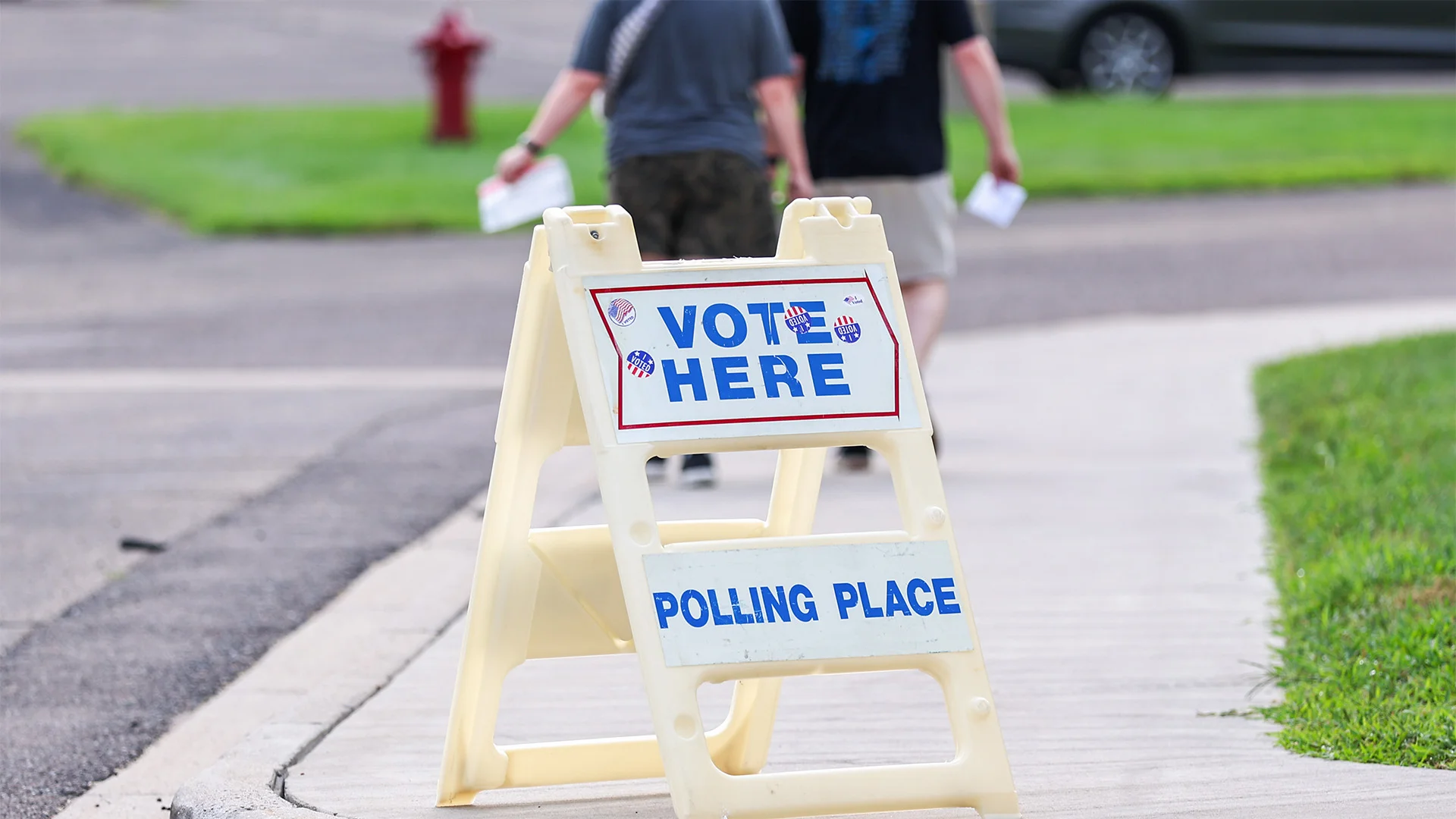
The upcoming election cycle is projected to unleash a significant barrage of political advertising, estimated to reach $12 billion, which will inevitably saturate media channels and strain consumer attention spans. This overwhelming influx of political messaging presents a substantial challenge for brands seeking to maintain visibility and engagement with their target audiences. To navigate this complex landscape, marketers are advised to adopt strategic approaches that differentiate their communications from the prevailing political discourse. Five key frameworks have been identified to help brands cut through the noise and resonate with consumers amidst the election fervor.
The first framework emphasizes offering a sense of calm. In an environment characterized by heightened emotions and often divisive rhetoric, brands can provide a welcome respite by communicating in a measured, reassuring, and stable manner. This approach aims to create a positive association with the brand as a source of stability and peace. The second strategy involves leveraging humor. Appropriately applied, humor can disarm audiences, make messages more memorable, and foster a sense of shared experience. It offers a lighthearted counterpoint to the often serious or contentious nature of political advertising, making brand content more approachable and enjoyable.
Simplicity is the third crucial framework. With attention spans already fragmented, brands must strive for clarity and conciseness in their messaging. Overly complex or jargon-filled advertisements are likely to be overlooked. A simple, direct message that is easy to understand and remember will have a greater impact. Novelty, the fourth framework, suggests that brands should seek to introduce fresh perspectives or creative executions that stand out from the predictable patterns of political advertising. This could involve innovative storytelling, unexpected visual styles, or unique engagement methods that capture attention through originality.
Finally, the fifth framework focuses on better timing. This involves strategically placing brand communications to avoid direct conflict with peak political ad loads or to capitalize on moments when audiences might be more receptive to non-political content. It also implies understanding the media consumption habits of the target audience and aligning brand messaging with those patterns. By thoughtfully integrating these five frameworks—calm, humor, simplicity, novelty, and timing—brands can develop more effective advertising strategies that not only survive but thrive amidst the intense competition for consumer attention during a politically charged period. These approaches aim to build brand equity and maintain customer relationships by offering value and relevance beyond the political arena.
Original source — read the full reporting at the publisher:
Read on Inc.Get the weekly AI digest
AI news + new model releases, weekly. Drafted by our agents, reviewed by humans.