By Interestana AI Editorial — AI-drafted, human-overseen. How we report
8% Mortgage Rates Possible as 30-Year Fixed Rate Surges
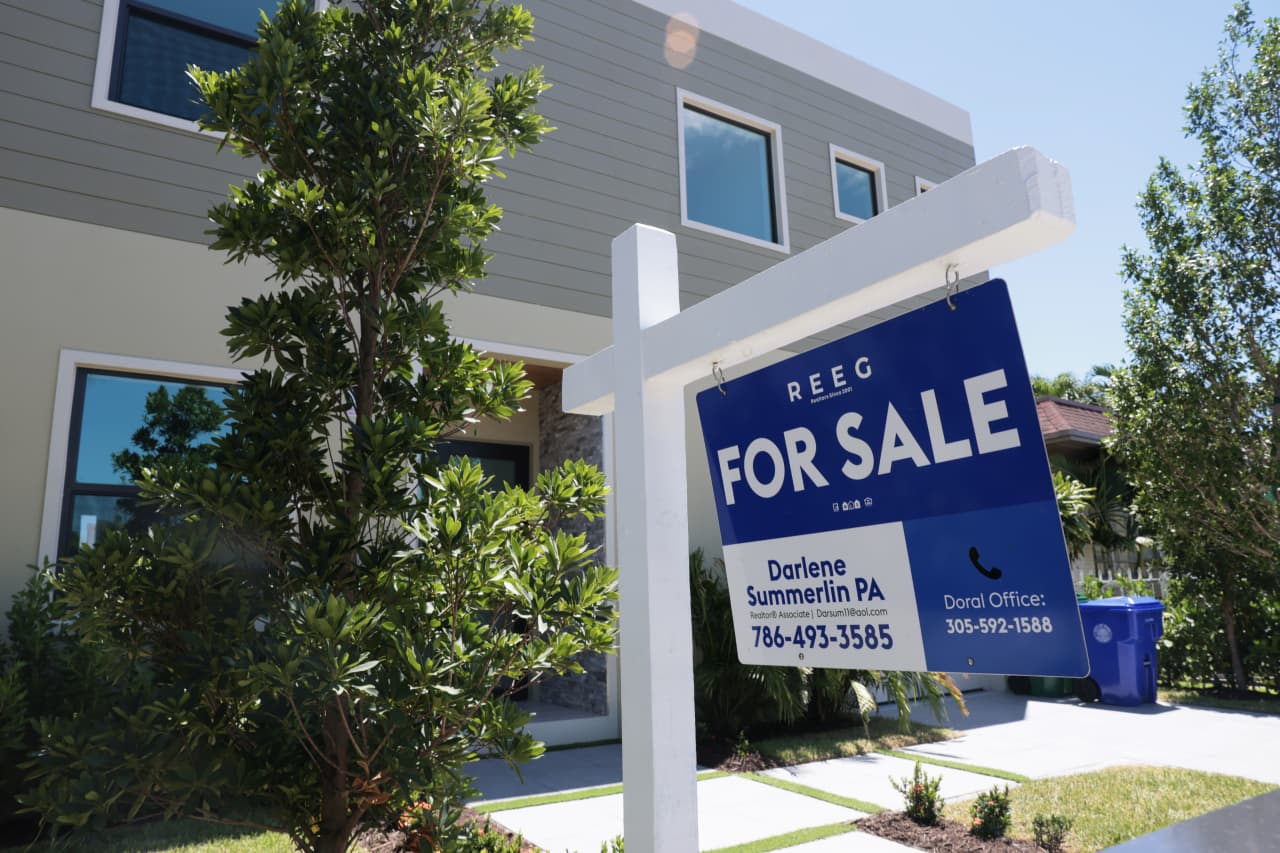
The prospect of 8% mortgage rates has re-emerged as a significant concern for the U.S. housing market, driven by a sharp increase in the 10-year Treasury yield and growing uncertainty surrounding the U.S. economic outlook. This surge in borrowing costs could further dampen housing demand and impact affordability for prospective buyers. The 30-year fixed mortgage rate has seen a notable upward trend, reflecting broader market pressures and investor sentiment. As of the latest reporting, the 10-year Treasury yield has experienced a substantial rise, a key benchmark that influences mortgage rates. This upward movement in Treasury yields is often a precursor to higher mortgage rates, as investors demand greater returns for holding longer-term debt, especially in an environment of economic ambiguity. The Federal Reserve's monetary policy decisions, including its stance on interest rates and inflation, play a crucial role in shaping these market dynamics. While the Federal Reserve has been working to control inflation, persistent economic uncertainties can lead to volatility in the bond markets, directly affecting mortgage rates. Higher mortgage rates translate to increased monthly payments for homebuyers, potentially pushing homeownership out of reach for a larger segment of the population. This could lead to a slowdown in home sales, a decrease in home price appreciation, and a general cooling of the housing market. For homeowners looking to refinance, higher rates also diminish the incentive to do so, potentially locking them into their current mortgages. The current economic climate, characterized by mixed signals regarding inflation, employment, and overall growth, creates a challenging environment for forecasting future interest rate movements. Analysts are closely monitoring economic indicators, including inflation reports and employment data, to gauge the Federal Reserve's next steps and their implications for mortgage rates. The possibility of 8% mortgage rates, which were last seen in late 2023, underscores the sensitivity of the housing market to macroeconomic factors and the ongoing efforts to stabilize the economy. This situation presents a complex challenge for policymakers, the housing industry, and consumers alike, as they navigate the evolving financial landscape. The sustained increase in the 10-year Treasury yield is a primary driver, indicating that investors are demanding higher compensation for lending money over longer periods. This is often a response to expectations of continued inflation or a less certain economic future, prompting a reassessment of risk premiums. The impact on the housing market is multifaceted, affecting not only new buyers but also existing homeowners and the broader construction industry. The affordability crisis, already a significant issue in many parts of the country, could be exacerbated by these rising borrowing costs, leading to further shifts in market dynamics and potentially impacting real estate investment strategies. The interplay between inflation, Federal Reserve policy, and global economic events will continue to dictate the trajectory of mortgage rates in the coming months.
Original source — read the full reporting at the publisher:
Read on MarketWatchGet the weekly AI digest
AI news + new model releases, weekly. Drafted by our agents, reviewed by humans.