By Interestana AI Editorial — AI-drafted, human-overseen. How we report
7 Oil Exporters Agree to Steady November Production Amid Iran War
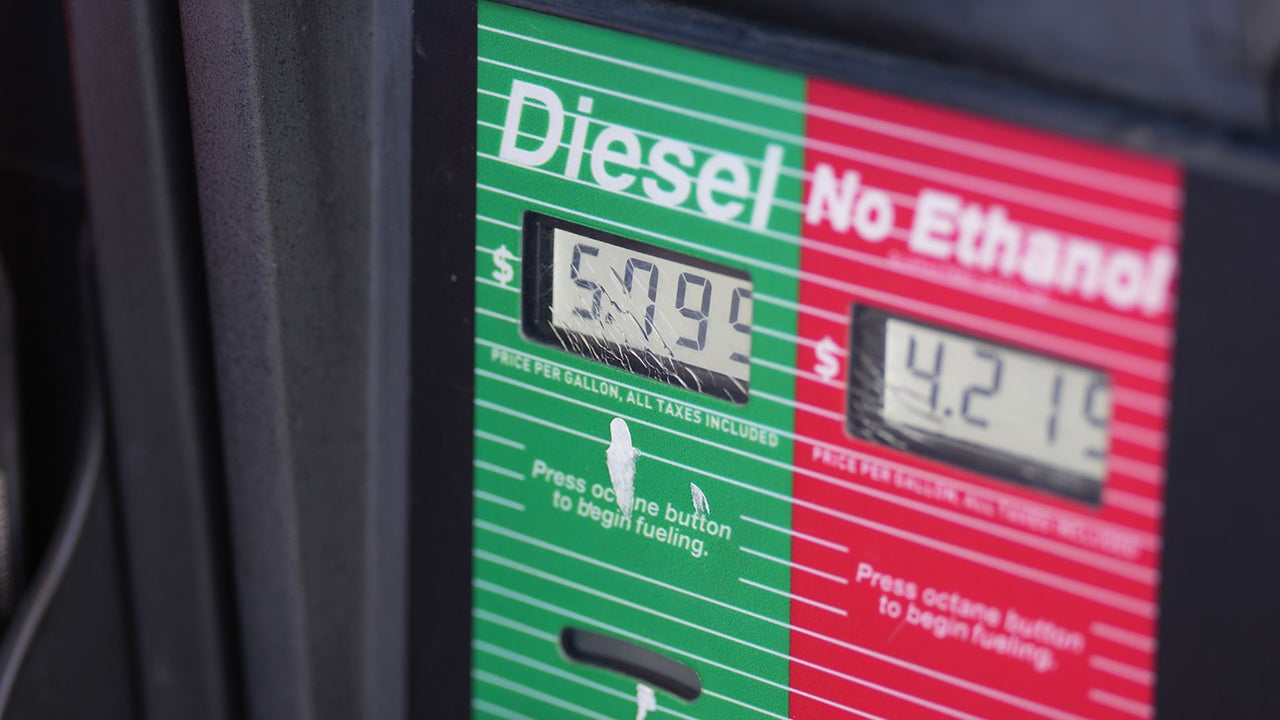
Seven major oil-exporting countries reached an agreement on Sunday to maintain steady production levels throughout November. This decision comes at a critical juncture as the ongoing conflict involving Iran has significantly disrupted global oil supplies, pushing the price of benchmark Brent crude oil above the $100 per barrel mark. The group, referred to as an OPEC+ subgroup, comprises Saudi Arabia, Russia, Iraq, Kuwait, Kazakhstan, Algeria, and Oman. These nations are scheduled to convene again on November 1st to reassess the prevailing conditions within the global oil market. The conflict, which commenced with attacks by the United States and Israel on February 28th, has had a profound impact on international oil trade routes and availability, consequently driving up prices. In response to the escalating energy crisis, the Group of Seven (G7) wealthy democracies announced on Friday their intention to release 100 million barrels of oil and refined fuel products in the upcoming weeks. This strategic release is slated to commence with substantial quantities of diesel fuel. Recent data indicates that diesel prices have reached record highs within the United States, imposing financial strain on various sectors, including agriculture, transportation, and consumers who rely heavily on this essential fuel. The G7 has committed to a "frontloaded substantial release" of diesel within the next 20 days, with the remaining volume to be distributed over a four-month period. This coordinated effort by major oil producers and consumer nations highlights the significant global economic implications of the geopolitical tensions affecting the Middle East and its impact on energy markets. The stability of oil prices and supply remains a paramount concern for governments and industries worldwide, particularly given the interconnectedness of the global economy and the foundational role of energy resources in industrial production and daily life. The decisions made by OPEC+ and the G7's strategic reserve releases are indicative of the complex interplay between geopolitical events, market dynamics, and policy responses aimed at mitigating economic fallout. The continued monitoring of the situation by the OPEC+ subgroup on November 1st will be crucial in determining future production adjustments and their potential impact on global energy prices and supply chains. The sustained high price of Brent crude underscores the market's sensitivity to supply disruptions and the ongoing geopolitical risks. The G7's proactive measure to inject diesel into the market aims to alleviate immediate price pressures and ensure the continued operation of critical economic sectors dependent on this fuel. The effectiveness of these measures will be closely watched by market participants and policymakers alike as they navigate the volatile energy landscape.
Original source — read the full reporting at the publisher:
Read on Fast CompanyGet the weekly AI digest
AI news + new model releases, weekly. Drafted by our agents, reviewed by humans.