By Interestana AI Editorial — AI-drafted, human-overseen. How we report
College Coaches Out-Earn Athletes 5 Years After NIL Began
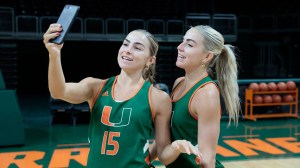
Five years after college athletes began earning compensation through name, image, and likeness (NIL) deals in July 2021, a significant disparity persists, with college coaches continuing to out-earn the athletes they coach. While a small percentage of athletes have achieved substantial financial success due to their talent and marketability, the majority have seen only modest additional income, if any. The implementation of NIL policies marked a reversal of the NCAA's long-standing stance that such agreements jeopardized an athlete's eligibility. This shift occurred after over 30 states enacted legislation permitting college athletes to monetize their personal brand, supported by favorable court rulings. Early examples of NIL deals included Jackson State defensive end Antwan Owens' agreement with 3 Kings Grooming and Auburn quarterback Bo Nix's partnership with Milo's sweet tea. Athletes with substantial social media followings, such as sisters Haley and Hanna Cavinder, also leveraged their platforms for endorsements. Despite these developments, opponents of athlete compensation continue to argue that NIL has compromised the integrity of college sports. Even former President Donald Trump has expressed concerns, suggesting that current NIL policies could inflict "serious damage to college athletics" and has issued executive orders aimed at reforming the system. However, according to a professor of sport management who has been studying NIL policies since their inception, several misconceptions surround their operation. Research, including studies published in 2023 and 2025, aims to clarify these misunderstandings. The NCAA's initial resistance to athlete compensation reflects a historical pattern of safeguarding amateurism, a concept that has been increasingly challenged by evolving economic realities and legal precedents. The current landscape of college athletics is shaped by these ongoing debates about fair compensation, the definition of amateurism, and the commercialization of collegiate sports. The professor's ongoing research seeks to provide data-driven insights into the actual impact and functioning of NIL, aiming to correct the narrative often presented in public discourse. This includes analyzing the distribution of NIL earnings, the types of deals athletes are securing, and the broader economic implications for both athletes and athletic departments. The continued focus on the financial gap between coaches and athletes highlights the complex economic structures within college sports and the ongoing evolution of athlete compensation models.
Original source — read the full reporting at the publisher:
Read on FortuneGet the weekly AI digest
AI news + new model releases, weekly. Drafted by our agents, reviewed by humans.