By Interestana AI Editorial — AI-drafted, human-overseen. How we report
Neurologist Debunks Genius Myths in New Book
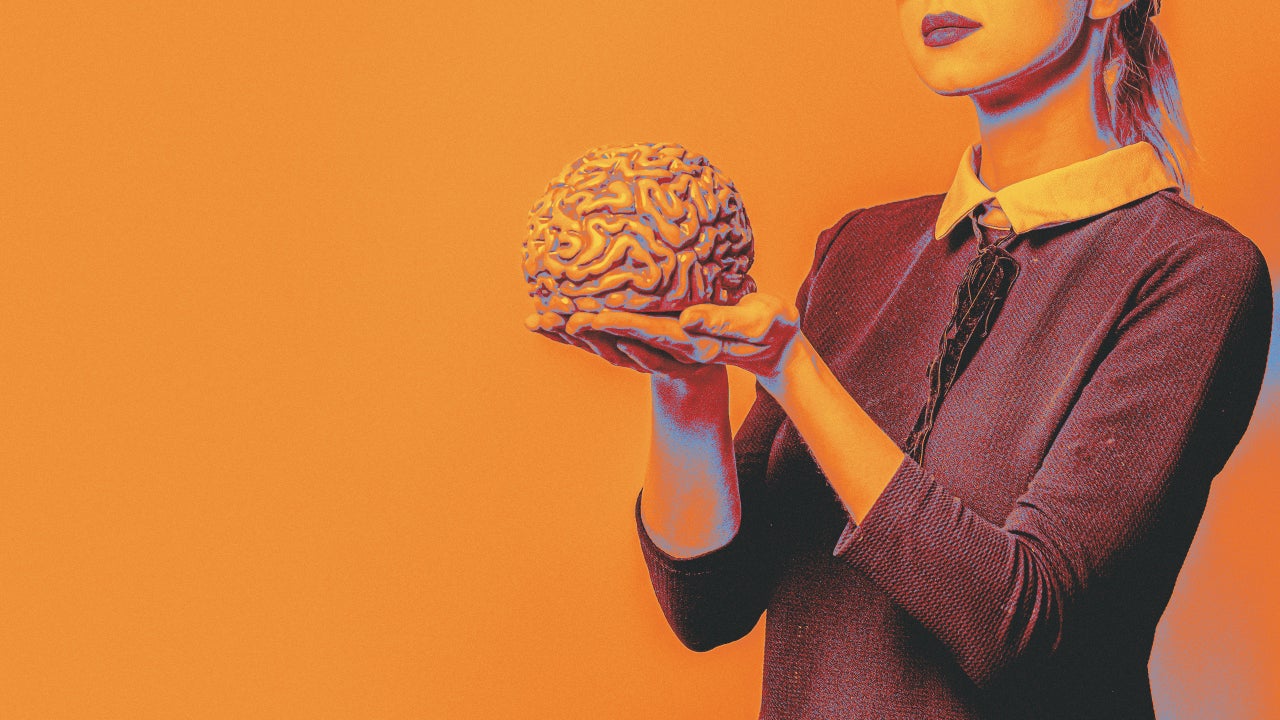
Neurologist Dr. Josh Turknett, founder of the Institute for Performance Neurology, has released a new book titled "The Genius and the Impostor: The Neuroscience of Unlocking Human Potential." In this work, Turknett asserts that the human brain possesses the inherent capacity for genius, a capability often obscured by a self-imposed narrative that limits an individual's perceived potential. He argues that the neural systems within the brain actively construct a fiction about what a person can and cannot achieve, thereby hindering the realization of their full capabilities. Turknett draws upon decades of research in neuroscience to dismantle these limiting beliefs and illustrate the actual cognitive power of the brain.
One of the central arguments presented by Turknett is that individuals are already geniuses, but are often unaware of this inherent potential. He uses the example of reading, a process that involves the brain performing an incredibly complex task of deciphering a continuous stream of symbols, identifying words, retrieving their meanings, synthesizing these meanings into coherent ideas, and understanding grammatical structures and syntax, all while inferring tone and intent. This automatic and effortless cognitive feat, Turknett contends, rivals or surpasses what is typically recognized as genius. Similarly, he points to everyday actions like recognizing a familiar face in a crowd or navigating a cluttered environment while engaged in conversation as evidence of profound cognitive achievements that were only recently understood in their complexity.
Turknett contrasts these everyday cognitive marvels with the historical efforts of computer scientists in the mid-20th century. These pioneers initially believed that complex tasks like chess and mathematics would be the most challenging for computers, while seemingly simple human abilities like walking and talking would be easier to replicate. However, the reality proved to be the opposite, highlighting the sophisticated and often underestimated nature of human cognition. The book aims to reframe the understanding of intelligence and potential, suggesting that the foundational learning engine of the brain is universal, and that perceived limitations are often self-constructed rather than inherent biological constraints. Turknett's work is positioned at the intersection of neuroscience, learning, and human potential, seeking to empower individuals by revealing the untapped cognitive resources available to them. The book is available in audio format, read by Turknett himself, and can be accessed through the Next Big Idea app or purchased directly.
Original source — read the full reporting at the publisher:
Read on Fast CompanyGet the weekly AI digest
AI news + new model releases, weekly. Drafted by our agents, reviewed by humans.