By Interestana AI Editorial — AI-drafted, human-overseen. How we report
30-Year Mortgage Rate Sees Largest Jump in Four Years
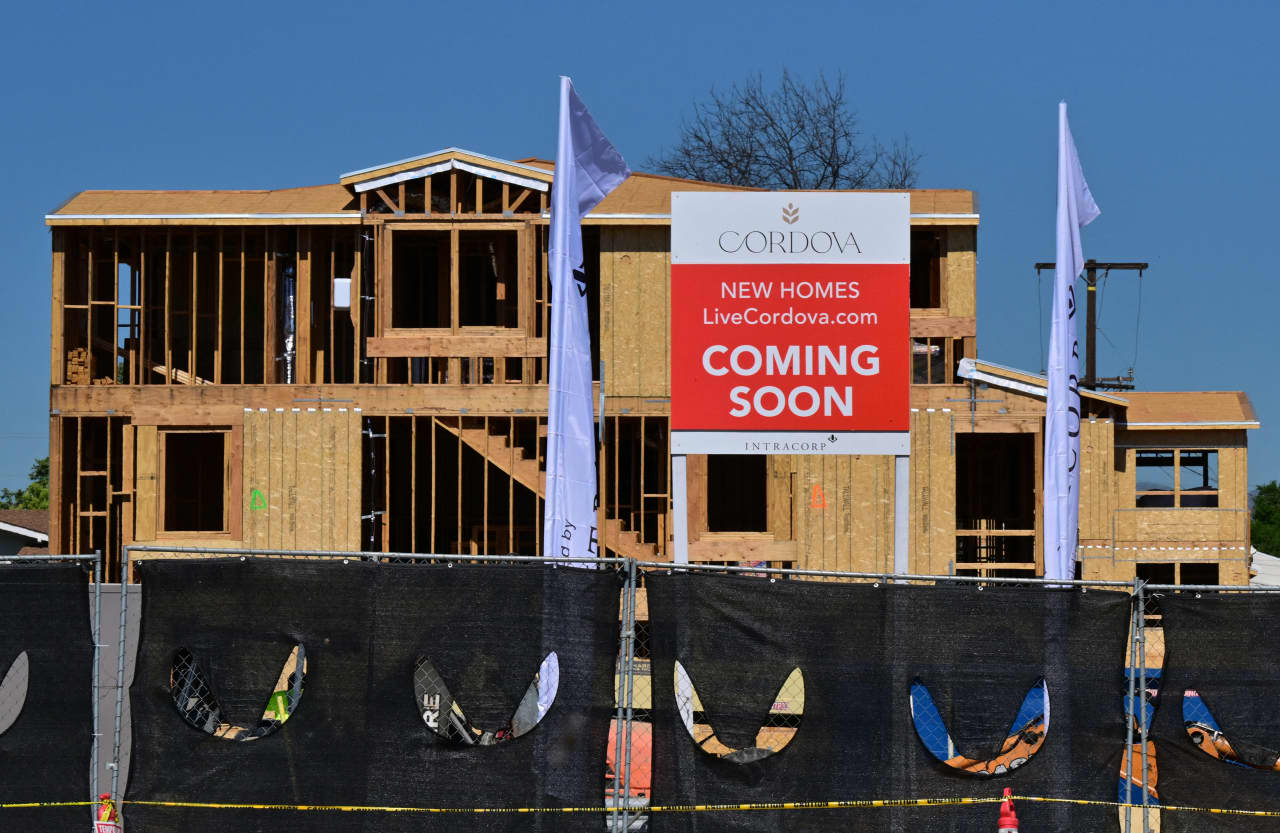
The average rate for a 30-year fixed-rate mortgage experienced its most substantial increase in four years, reaching approximately a three-year high. This sharp ascent in borrowing costs represents a significant new obstacle for the U.S. housing market, which has already been contending with affordability challenges and subdued activity. The surge in mortgage rates directly impacts the monthly payments for potential homebuyers, making it more expensive to finance a home purchase. This heightened cost can deter buyers, leading to a slowdown in sales and potentially impacting home price appreciation. For individuals looking to refinance existing mortgages, the increased rates also make such transactions less attractive, potentially trapping homeowners with lower rates from earlier periods. The precise percentage of the jump was not detailed in the initial report, but the magnitude of the increase has been described as the largest in a four-year span, underscoring its significance. This development comes at a time when the housing sector is already navigating a complex economic landscape, including persistent inflation concerns and shifts in Federal Reserve monetary policy. Higher mortgage rates are a direct consequence of broader economic conditions, often linked to the Federal Reserve's efforts to control inflation through interest rate hikes. When the Federal Reserve raises its benchmark interest rate, it influences the cost of borrowing across the economy, including for mortgages. The Federal Reserve's monetary policy decisions are closely watched by the real estate industry, as they have a profound effect on mortgage rates and, consequently, on housing market dynamics. Analysts will be closely monitoring future rate movements and their sustained impact on buyer demand, inventory levels, and overall housing market stability. The current elevated rate environment suggests that affordability will remain a primary concern for prospective buyers throughout the coming months, potentially prolonging the period of reduced transaction volumes. The housing market's sensitivity to interest rate fluctuations means that even small changes can have a considerable ripple effect on consumer confidence and purchasing power. This recent jump in mortgage rates is expected to further dampen demand and could lead to a recalibration of expectations for both buyers and sellers in the market. The duration of this elevated rate period will be a critical factor in determining the long-term implications for the housing sector and the broader economy. The market's ability to absorb these higher costs will be tested as more data becomes available on consumer behavior and economic indicators.
Original source — read the full reporting at the publisher:
Read on MarketWatchGet the weekly AI digest
AI news + new model releases, weekly. Drafted by our agents, reviewed by humans.