By Interestana AI Editorial — AI-drafted, human-overseen. How we report
Harvard v. Trump Appeal Hearings Focus on Federal Funding
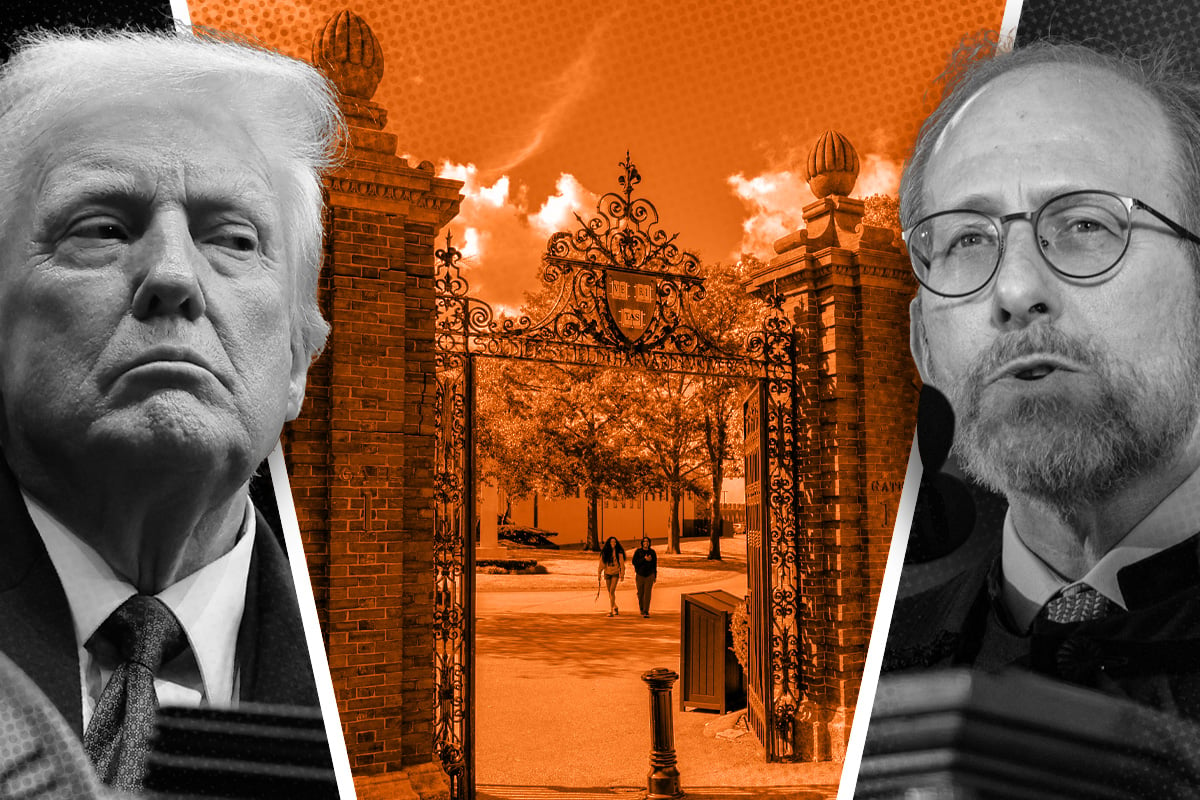
The appeal hearings concerning Harvard University and the Trump administration focused on the critical question of whether the administration possesses the legal authority to revoke Harvard's federal funding and its capacity to enroll international students. These proceedings represent a significant legal battle with potentially far-reaching implications for higher education institutions that receive federal support. The core of the dispute lies in the interpretation and application of federal laws and regulations governing the use of such funds and the conditions under which they can be withheld.
During the hearings, legal arguments were presented by both Harvard's representatives and the government's counsel. Harvard's defense likely centered on its adherence to federal guidelines and the detrimental impact of losing federal funding and international student enrollment on its operations and academic mission. The government's position would have aimed to demonstrate a legal basis for its actions, potentially citing alleged violations of regulations or statutes. The specifics of these alleged violations were not detailed in the provided text but are central to the government's case.
The potential consequences of a ruling against Harvard are substantial. The loss of federal funding could severely impact the university's research initiatives, financial aid programs, and overall operational budget. Furthermore, the inability to enroll international students would not only affect tuition revenue but also diminish the diversity of its student body and its global academic standing. International students contribute significantly to the intellectual vibrancy and research output of American universities, and their exclusion would represent a considerable loss.
These appeal hearings are a crucial stage in the legal process, offering an opportunity for a higher court to review the decisions made in the lower courts. The outcome of this appeal could set a precedent for how federal funding is managed and regulated for other institutions of higher education across the United States. The case underscores the complex relationship between federal oversight and the autonomy of academic institutions, particularly concerning financial and international student policies. The legal arguments presented likely delved into administrative law, contract law, and potentially constitutional law, depending on the specific claims made by each party.
Original source — read the full reporting at the publisher:
Read on Inside Higher EdGet the weekly AI digest
AI news + new model releases, weekly. Drafted by our agents, reviewed by humans.