By Interestana AI Editorial — AI-drafted, human-overseen. How we report
2026 Hyundai Ioniq 5: A Mid-Cycle Refresh Review
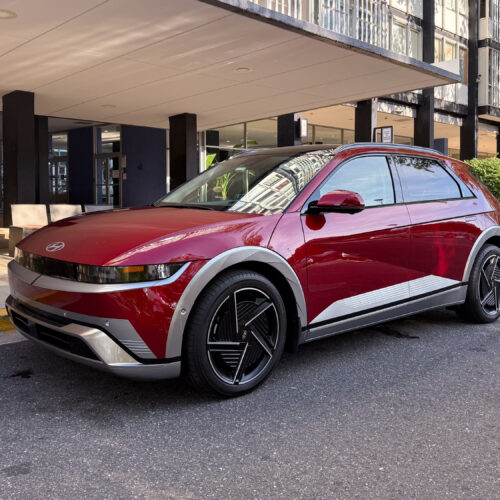
The 2026 Hyundai Ioniq 5, an electric crossover that debuted at the end of 2021, has undergone a mid-cycle refresh, incorporating updates to its charging technology and features. When initially reviewed, the Ioniq 5 stood out for its 800-volt architecture, a technology previously exclusive to high-end electric vehicles like those from Porsche. This system enabled exceptionally fast charging, capable of replenishing the battery from 10% to 80% in just 18 minutes. Its distinctive retro design, reminiscent of 1970s and 1980s boxy hatchbacks styled by Giorgetto Giugiaro, also contributed to its appeal. However, five years represent a significant period in the automotive industry, particularly in the rapidly evolving compact electric crossover segment, which has become considerably more competitive since the Ioniq 5's initial launch.
The current evaluation focuses on how the Ioniq 5 performs in this more crowded market. The model range begins at $35,000 for the standard range variant. The specific vehicle examined for this review is a 2026 Ioniq 5 AWD Limited. This trim level features an 84 kWh battery pack, a component of the lifecycle refresh that commenced in early 2025. A notable addition from this refresh is the integration of a NACS (J3400) charge port, replacing the previous CCS1 port found on earlier models. This update aligns the Ioniq 5 with the growing adoption of the North American Charging Standard. Another significant improvement introduced with the 2025 refresh is the inclusion of a rear windshield wiper, a feature that was notably absent from the original launch model and frequently requested by owners.
The 2026 Ioniq 5 AWD Limited trim has a starting price of $45,075. An additional $3,900 is required for the front electric motor, which equips the all-wheel-drive version with a combined output of 320 horsepower (239 kW) and 446 lb-ft of torque (605 Nm). While the added traction of all-wheel drive is beneficial in conditions with good grip, it comes at the cost of efficiency. The EPA-estimated range for the AWD version is 269 miles (432 km), which is less than the 318 miles (512 km) range offered by the rear-wheel-drive variant. This efficiency trade-off is a common consideration for consumers choosing between single-motor and dual-motor configurations in electric vehicles. The Ioniq 5 continues to leverage its 800V architecture for rapid charging, a key differentiator that remains competitive.
Original source — read the full reporting at the publisher:
Read on Ars TechnicaGet the weekly AI digest
AI news + new model releases, weekly. Drafted by our agents, reviewed by humans.