By Interestana AI Editorial — AI-drafted, human-overseen. How we report
Trump's Voter Gains Reversed
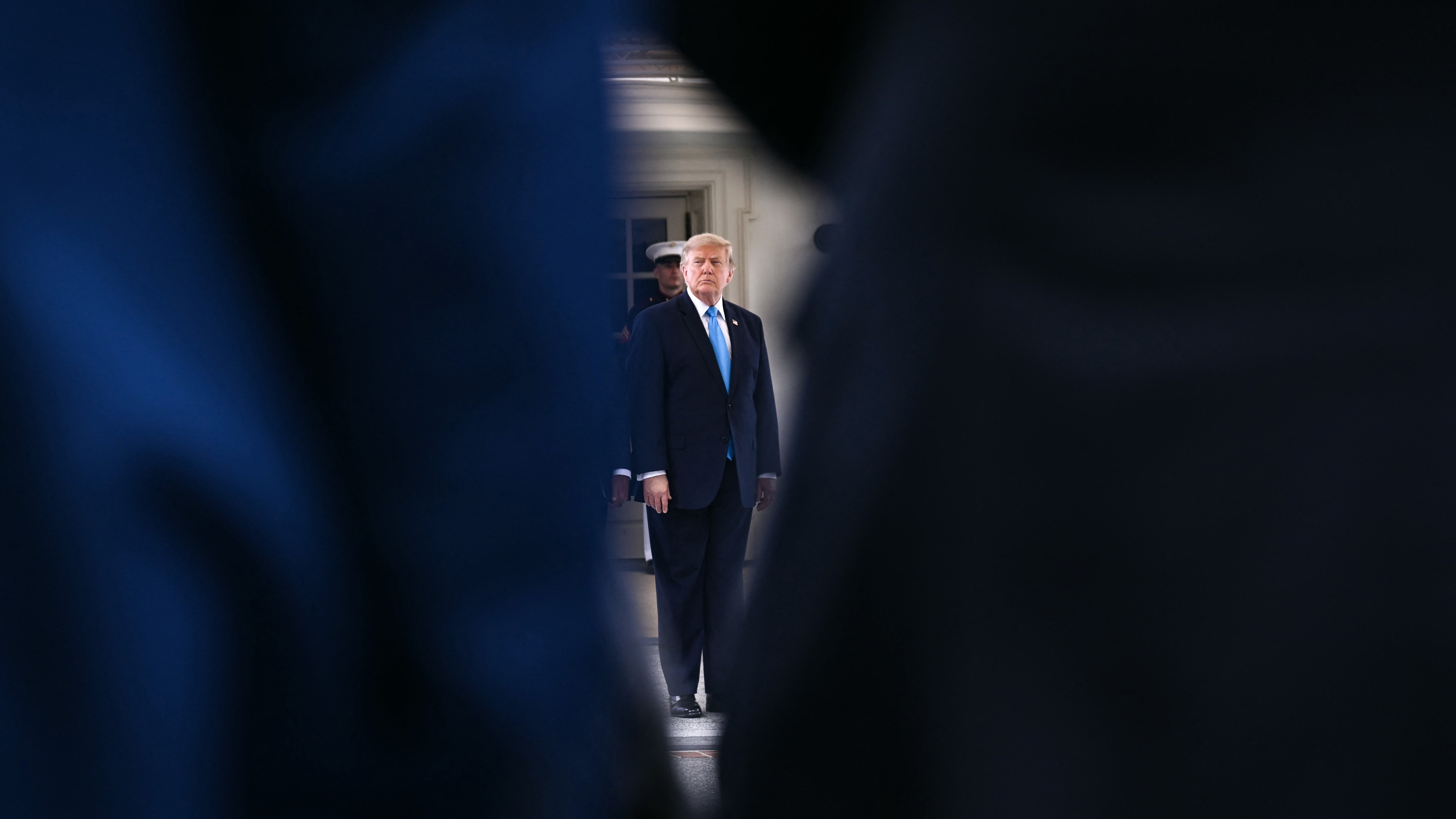
Donald Trump experienced notable gains among Black, Hispanic, and young voters in 2024, a trend that suggested a significant realignment of the electorate. However, less than two years after these initial gains, the president has seen a substantial reversal of this support, indicating a shift in voter sentiment. This erosion of support among demographics that had previously shown increased favorability towards Trump highlights the dynamic and often volatile nature of political coalitions.
The initial surge in support for Trump among these key demographic groups was widely interpreted as a potential indicator of a broader political realignment. Black voters, in particular, had shown a statistically significant increase in their willingness to consider or support Trump, a departure from historical voting patterns. Similarly, Hispanic voters, a diverse group with varying regional and economic characteristics, also demonstrated a growing openness to Trump's platform and message. Young voters, typically a more progressive bloc, also appeared to be shifting, with some data suggesting a greater willingness to engage with Trump's candidacy than in previous election cycles.
These shifts were not isolated incidents but were observed across multiple polls and analyses conducted during the period of increased support. For instance, internal polling and public surveys indicated that Trump's approval ratings and vote share among Black men had reached levels not seen by a Republican candidate in decades. Similar trends were noted within segments of the Hispanic population, particularly in battleground states. The youth vote, often a crucial determinant in close elections, also showed signs of wavering from its traditional Democratic leanings.
However, the narrative has since changed dramatically. Recent data and analyses indicate that these gains have not only stalled but have significantly reversed. The president has lost a considerable portion of the new supporters he had courted among these groups. This reversal suggests that the factors driving the initial shift may have been temporary, or that subsequent events and campaign strategies have alienated these voters once again. The reasons for this erosion are multifaceted, potentially including evolving economic conditions, responses to specific policy proposals, or a renewed engagement with traditional party platforms by these demographic groups. The political landscape remains fluid, with voter allegiances proving susceptible to change over relatively short periods, underscoring the challenges of sustaining broad-based electoral coalitions.
Original source — read the full reporting at the publisher:
Read on The AtlanticGet the weekly AI digest
AI news + new model releases, weekly. Drafted by our agents, reviewed by humans.