By Interestana AI Editorial — AI-drafted, human-overseen. How we report
Primate Diarrhea Outbreak Yields Vaccine Data
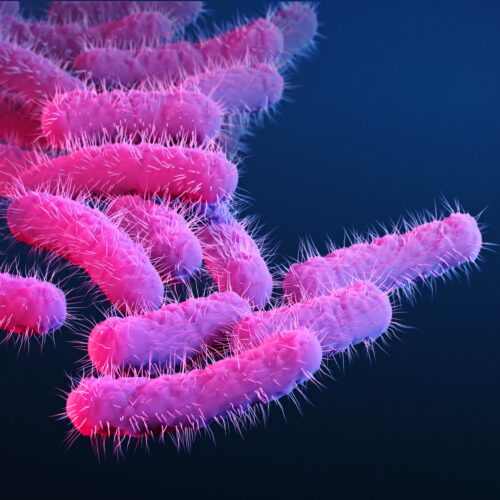
An outbreak of diarrhea affecting over 150 non-human primates at a research facility over a two-year period has unexpectedly yielded significant immunological data crucial for the development of vaccines against Shigella bacteria. Scientists analyzed the extensive data generated from these infections, as detailed in a study published in Science Translational Medicine. This research focused on identifying specific components of the bacteria that the immune system could most effectively target, thereby informing strategies for training immune cells to combat the pathogen. The study successfully linked particular molecular targets on the bacteria to distinct types of germ-fighting immune responses. Furthermore, researchers were able to pinpoint precise locations, or epitopes, on these target molecules where the most potent antibodies bind. This detailed understanding of antibody-antigen interactions is a critical step in designing effective vaccines. The authors of the study stated that the research "revealed unexpected features of the anti-Shigella antibody response in naturally infected [non-human primates] and represents a step toward the rational design of Shigella vaccine candidates." Shigella is a genus of bacteria responsible for shigellosis, a severe diarrheal disease that affects millions globally each year, particularly in areas with poor sanitation. Developing an effective vaccine has been a long-standing public health goal. The natural infection model provided by the primate outbreak allowed researchers to observe the immune system's response in a complex, living organism, offering insights that might be difficult to replicate in in vitro studies. This type of research is vital for understanding how the body mounts a defense against infectious agents and for identifying the most promising targets for therapeutic interventions. The data gathered from this unfortunate event is expected to accelerate the preclinical development of new Shigella vaccine candidates, potentially leading to a significant public health advancement. The study's findings contribute to the broader field of vaccinology by demonstrating the utility of observing natural immune responses in animal models for vaccine design. The researchers' ability to identify specific antibody binding sites offers a precise roadmap for synthetic vaccine development, aiming to mimic or enhance the natural protective immune response. This approach moves beyond broad-spectrum approaches to a more targeted and potentially more effective vaccine strategy.
Original source — read the full reporting at the publisher:
Read on Ars TechnicaGet the weekly AI digest
AI news + new model releases, weekly. Drafted by our agents, reviewed by humans.