By Interestana AI Editorial — AI-drafted, human-overseen. How we report
1.3 Million Plastic Bottles Collected in Global Ocean Cleanup
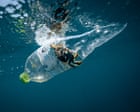
More than 1.3 million plastic bottles were collected from beaches, rivers, and waterways during the 2025 International Coastal Cleanup, an event described as the world's largest single-day volunteer ocean cleanup. This significant collection effort took place on a specific day in 2025, highlighting the scale of plastic pollution impacting marine and freshwater environments globally. The International Coastal Cleanup is an annual initiative organized by Ocean Conservancy, a non-profit environmental advocacy organization dedicated to protecting the ocean. The organization's efforts aim to address the pervasive issue of marine debris and its detrimental effects on marine life and ecosystems.
In the 2025 event, approximately 630,000 people participated as volunteers, dedicating their time and effort to removing trash from coastal and waterway areas. These volunteers collectively removed nearly 13.9 million pieces of rubbish. This total amount of debris was collected from over 15,000 miles of coastline and waterways across the globe. The data from the 2025 cleanup indicates a substantial volume of waste, with plastic bottles representing a significant portion of the collected items. Ocean Conservancy has been coordinating this cleanup for decades, providing valuable data on the types and quantities of trash found, which informs policy and conservation strategies.
The 13.9 million pieces of rubbish collected in 2025 represent the total amount of waste removed by volunteers during the International Coastal Cleanup. This figure encompasses a wide variety of discarded items, including but not limited to plastic bottles, food wrappers, cigarette butts, straws, and fishing gear. The sheer volume of collected debris underscores the ongoing global challenge of waste management and pollution. The focus on plastic bottles specifically, with over 1.3 million removed, points to the pervasive nature of single-use plastic consumption and its direct pathway into natural environments. Ocean Conservancy's annual report on the cleanup typically details the most common items found, providing a snapshot of pollution trends.
Ocean Conservancy's work extends beyond the annual cleanup event. The organization advocates for policy changes at local, national, and international levels to reduce plastic production, improve waste management infrastructure, and promote circular economy principles. The data gathered from volunteer cleanups like the International Coastal Cleanup serves as critical evidence to support these advocacy efforts. By quantifying the problem, Ocean Conservancy aims to drive systemic solutions that prevent pollution at its source, rather than solely relying on cleanup efforts. The participation of 630,000 volunteers in 2025 demonstrates a widespread public concern and willingness to act against environmental degradation.
Original source — read the full reporting at the publisher:
Read on The Guardian EnvironmentGet the weekly AI digest
AI news + new model releases, weekly. Drafted by our agents, reviewed by humans.