By Interestana AI Editorial — AI-drafted, human-overseen. How we report
Freud's 130-Year-Old Mental Habit Explained by Neuroscience
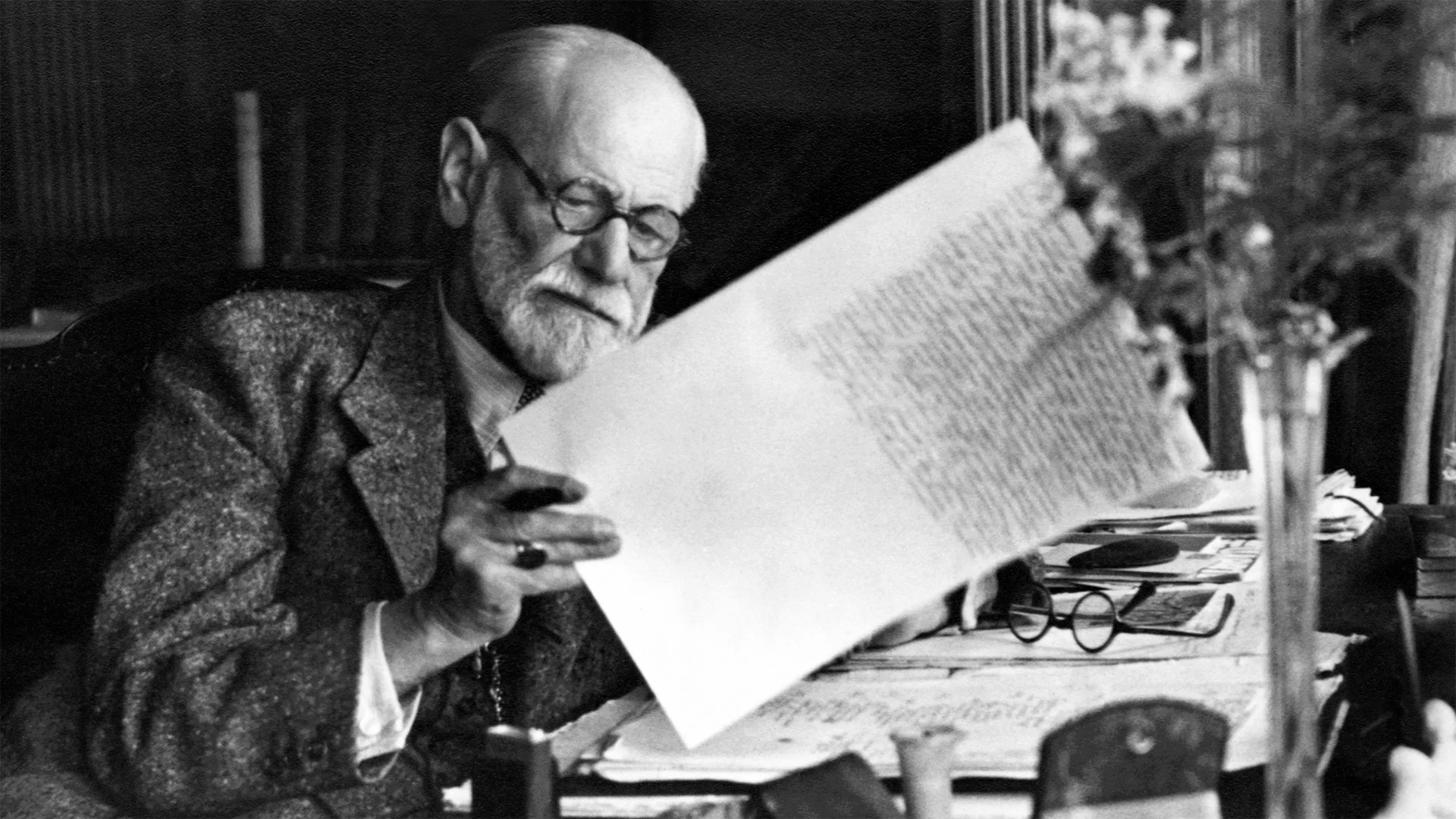
Over 130 years ago, Sigmund Freud, the pioneering neurologist and founder of psychoanalysis, described a peculiar mental habit that has long puzzled researchers. Freud's observations, documented in his seminal works, pointed to an unconscious tendency for individuals to resist acknowledging or integrating new information that contradicts deeply held beliefs or self-perceptions. This phenomenon, often manifesting as denial, rationalization, or selective attention, suggested a powerful internal mechanism designed to maintain psychological equilibrium, even at the expense of objective reality. Freud theorized that this resistance stemmed from the ego's defense mechanisms, which work to protect the individual from anxiety and distress associated with challenging their established worldview.
Recent advancements in neuroscience, particularly in the study of cognitive biases and neural pathways involved in belief formation and updating, may offer a concrete explanation for Freud's observations. Researchers are exploring how the brain processes information and the biological underpinnings of why it can be so difficult to change one's mind. Studies utilizing functional magnetic resonance imaging (fMRI) and electroencephalography (EEG) are beginning to map the neural circuits that become active when individuals encounter information that conflicts with their existing beliefs. These studies suggest that the brain may prioritize consistency and familiarity, leading to a preferential processing of information that aligns with established neural networks. When confronted with contradictory evidence, these networks may resist updating, requiring significant cognitive effort and potentially triggering aversive emotional responses.
One area of focus is the role of the anterior cingulate cortex (ACC) and the insula, brain regions implicated in conflict monitoring and emotional regulation. When new information clashes with existing beliefs, these areas may signal a discrepancy, prompting the brain to either reject the new information or engage in costly cognitive reappraisal. The brain's inherent tendency to conserve energy might also play a role, making it more efficient to maintain existing neural pathways than to forge new ones. This neurobiological perspective provides a tangible, scientific framework for understanding the deeply ingrained resistance to change that Freud identified as a fundamental aspect of the human psyche. The findings suggest that the mental habit Freud described is not merely a psychological quirk but a consequence of fundamental brain architecture and processing strategies.
This interdisciplinary approach, bridging the gap between psychoanalytic theory and modern neuroscience, offers a more comprehensive understanding of human cognition and behavior. By examining the neural mechanisms underlying belief persistence, scientists can develop more effective strategies for promoting critical thinking, facilitating learning, and addressing issues such as misinformation and polarization. The work builds upon decades of research into cognitive biases, such as confirmation bias, and provides a biological basis for why these biases are so persistent. Understanding these underlying neural processes is crucial for fields ranging from education and therapy to public policy and artificial intelligence, where influencing belief systems and promoting adaptive behavior are key objectives. The convergence of Freud's early insights with contemporary neuroscientific findings underscores the enduring relevance of his work and the power of integrating different scientific paradigms to unravel the complexities of the human mind.
Original source — read the full reporting at the publisher:
Read on Inc.Get the weekly AI digest
AI news + new model releases, weekly. Drafted by our agents, reviewed by humans.