By Interestana AI Editorial — AI-drafted, human-overseen. How we report
12,000 Pounds of Bacon Recalled for Import Paperwork Issue
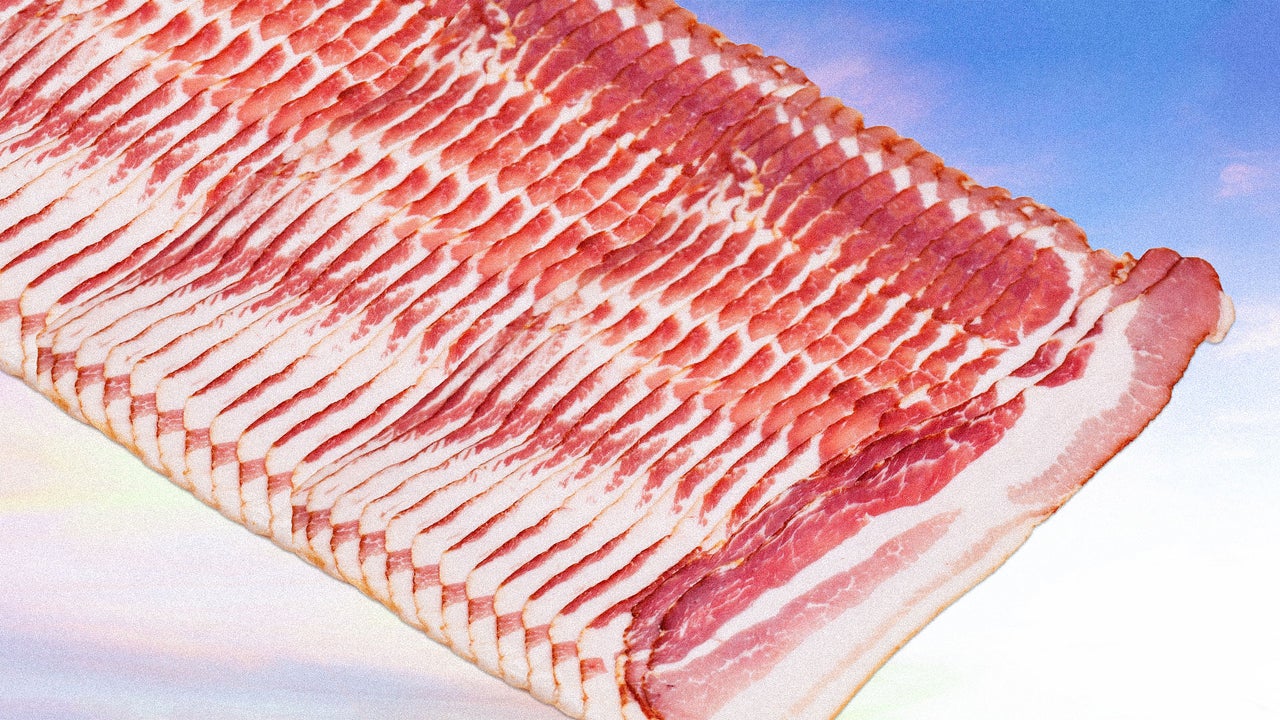
The U.S. Department of Agriculture’s Food Safety and Inspection Service (FSIS) has announced a Class I recall affecting more than 12,000 pounds of Not Ready-To-Eat (NRTE) bacon products. These products were imported into the United States from Canada by Maple Leaf Foods, a significant Canadian consumer-packaged meats company. The recall was not triggered by any known issues with the safety or quality of the bacon itself. Instead, the recall stems from the fact that these bacon products entered the U.S. without undergoing the mandatory import re-inspection process. Federal law requires these inspections as a critical final safeguard to ensure that food products entering the country are safe for consumption. During an import re-inspection, officials examine not only the product's documentation but also its packaging for required markings and warnings. Furthermore, these inspections can encompass physical product examinations and laboratory testing. The absence of this re-inspection led the FSIS to classify the recall as Class I, the most severe category. A spokesperson for Maple Leaf Foods clarified to Fast Company that the issue was solely a "lack of paperwork review at the border" and that "the product itself will not cause human illness." The FSIS categorizes recalls into three tiers to indicate their severity. A Class I recall signifies a "health hazard situation where there is a reasonable probability that use of the product will cause serious, adverse health consequences or death." While this recall is designated Class I, the FSIS's statement emphasizes that the current situation, based on the information provided by Maple Leaf Foods, does not present an immediate threat of serious adverse health consequences or death. The specific types of bacon products included in the recall, the exact production dates, and the distribution locations within the U.S. were detailed in the FSIS recall notice, allowing consumers to identify if they have purchased affected items. Maple Leaf Foods is cooperating with the FSIS to address the procedural lapse and ensure future compliance with import regulations. The company's statement suggests that the affected bacon is safe to consume, but the recall is a procedural measure to uphold import inspection mandates. This incident highlights the critical role of import re-inspections in maintaining the safety of the U.S. food supply chain and the rigorous standards applied by the FSIS to imported food products.
Original source — read the full reporting at the publisher:
Read on Fast CompanyGet the weekly AI digest
AI news + new model releases, weekly. Drafted by our agents, reviewed by humans.