By Interestana AI Editorial — AI-drafted, human-overseen. How we report
1 in 7 US Students Attend Solar-Powered Schools
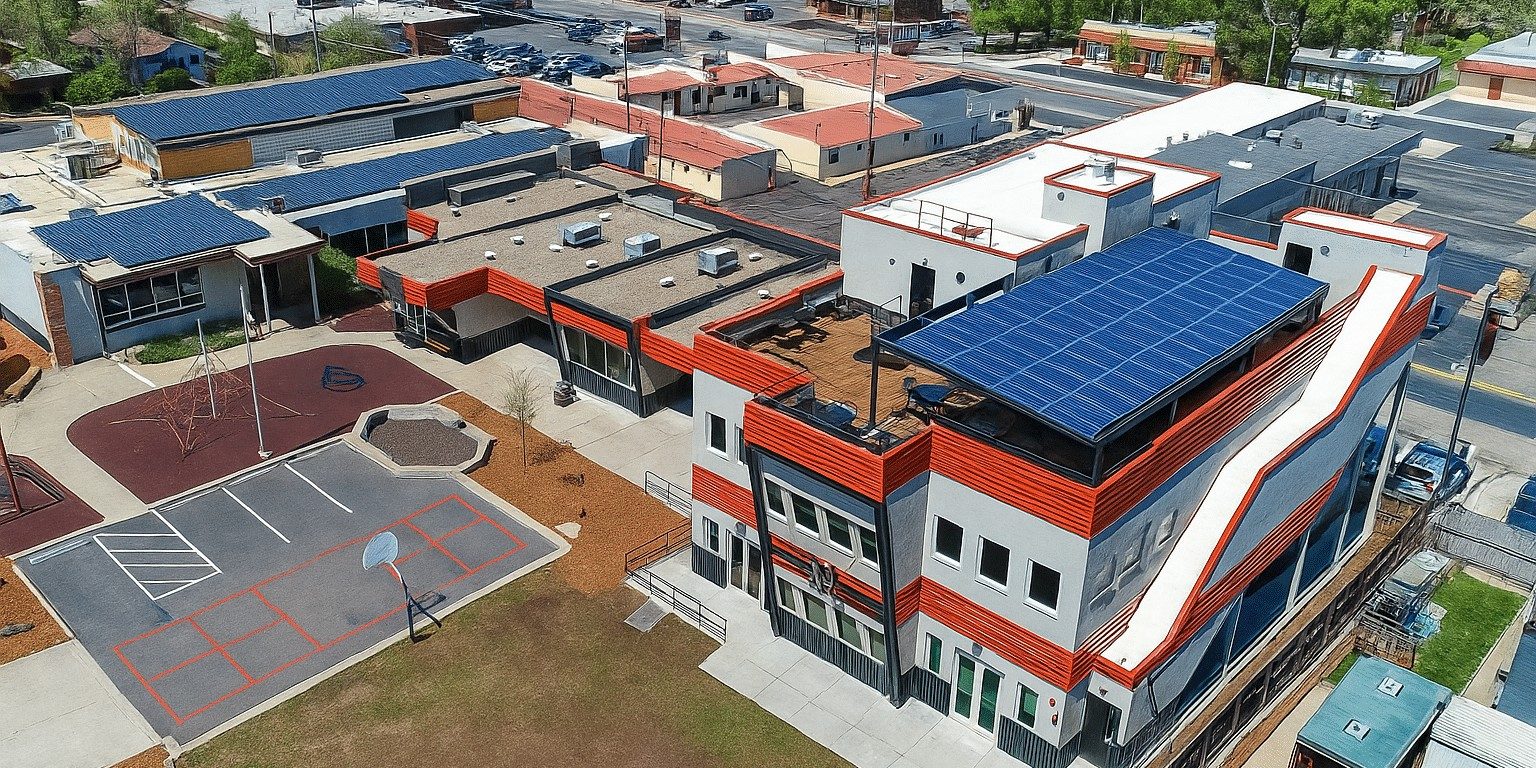
Solar power is now a significant energy source for over 10,800 K-12 schools across the United States, a development that means approximately one in every seven students in the U.S. attends a school that draws its electricity from the sun. This widespread adoption of solar energy in educational institutions represents a substantial shift towards renewable energy within the public school system. The data indicates a growing commitment by school districts to integrate sustainable energy solutions, likely driven by a combination of environmental concerns, potential long-term cost savings, and increasing availability of solar technology and incentives.
While the number of solar-powered schools is substantial, the integration of battery storage systems has not kept pace with the installation of solar panels. Battery storage is crucial for maximizing the benefits of solar power, as it allows schools to store excess energy generated during sunny periods for use during cloudy days or at night. This stored energy can also provide backup power during grid outages, enhancing the resilience of school operations. The slower adoption of battery storage suggests potential barriers such as high upfront costs, a lack of awareness regarding available technologies, or challenges in navigating complex incentive programs for storage solutions. Addressing these barriers could further amplify the advantages of solar power for these educational facilities.
The expansion of solar energy in schools contributes to broader environmental goals by reducing the carbon footprint of the education sector. Each school that transitions to solar power reduces its reliance on fossil fuels, thereby decreasing greenhouse gas emissions. This not only benefits the local environment but also serves as an educational tool for students, exposing them to renewable energy technologies and fostering an understanding of sustainability. The presence of solar panels on school grounds can inspire future generations to pursue careers in green energy and environmental science. Furthermore, the financial benefits of solar power, such as reduced electricity bills, can free up funds that can be reallocated to educational programs, resources, or teacher salaries, providing a tangible economic advantage for school districts.
The trend towards solar-powered schools is part of a larger national movement towards renewable energy adoption. Federal and state incentives, as well as declining costs of solar technology, have made solar installations more accessible for a wide range of organizations, including public institutions. The significant number of schools now utilizing solar power underscores the viability and scalability of this technology for large-scale infrastructure projects. Continued investment in solar energy and the development of complementary technologies like battery storage are expected to further accelerate this transition, making more schools, and by extension more students, beneficiaries of clean, sustainable energy.
Original source — read the full reporting at the publisher:
Read on ElectrekGet the weekly AI digest
AI news + new model releases, weekly. Drafted by our agents, reviewed by humans.