By Interestana AI Editorial — AI-drafted, human-overseen. How we report
Workers are judging companies for their silence on LGBTQ+ issues
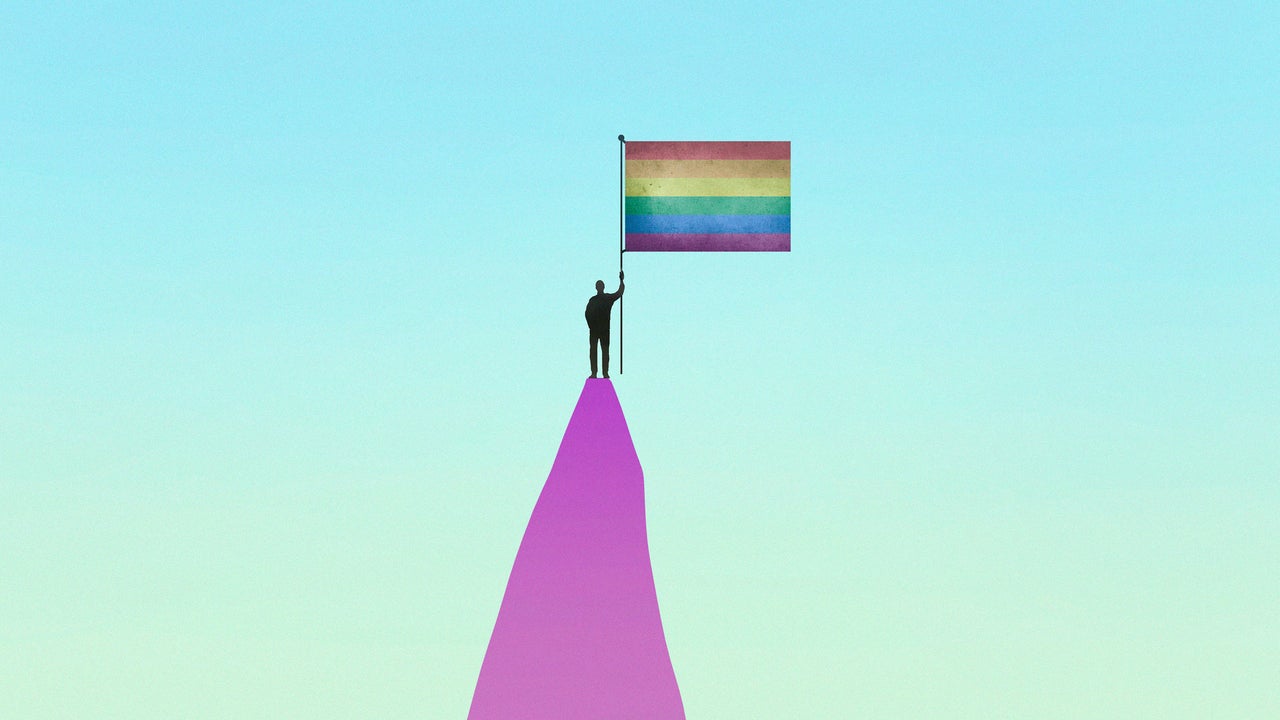
Companies are facing increased scrutiny from employees regarding their silence on LGBTQ+ issues, particularly in the wake of attacks on diversity, equity, and inclusion (DEI) programs. Many organizations that previously highlighted their inclusion efforts, such as recognition on the Human Rights Campaign’s Corporate Equality Index, have ceased participation in the annual ranking. While some companies have resumed sponsoring Pride celebrations in 2024, many had paused these commitments or were hesitant to publicly support Pride events, with corporate sponsorships remaining below pre-pandemic levels. Recent Gallup data indicates a decline in support for the LGBTQ+ community, especially among Republicans.
A Harris Poll survey of over 3,000 U.S. workers reveals that 62% of LGBTQ+ employees have observed changes in how their companies discuss relevant issues, often resorting to vague language or focusing on legal compliance. More than 40% of these employees report a decrease in internal and external communication about LGBTQ+ employees or related issues, and 16% have noted their employers withdrawing from external programs like the Corporate Equality Index. Consequently, only about one-third of LGBTQ+ workers now perceive their workplace as having an outwardly supportive culture and policies.
Non-LGBTQ+ employees are also noticing this shift in workplace culture and are forming opinions about their companies' values. Nearly half of workers who do not identify as LGBTQ+ stated they observe when their company is less vocal on LGBTQ+ issues and feel the impact of this change. This widespread observation suggests a growing expectation among the workforce for companies to maintain a consistent and visible stance on social and political matters, with silence being interpreted as a lack of commitment.
Original source — read the full reporting at the publisher:
Read on Fast CompanyGet the weekly AI digest
AI news + new model releases, weekly. Drafted by our agents, reviewed by humans.