By Interestana AI Editorial — AI-drafted, human-overseen. How we report
Why are so many World Cup goals being scored late?
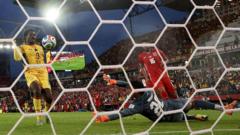
The 2026 FIFA World Cup is experiencing a significant increase in goals scored during the final stages of matches. This trend is attributed to several factors, including extended stoppage time, strategic player substitutions made by coaches, and the implementation of hydration breaks. These elements collectively contribute to a more dynamic and unpredictable end to games, keeping spectators engaged until the final whistle. The extended periods of added time, often exceeding 10 minutes in the second half, provide more opportunities for teams to find the back of the net. Tactical substitutions are being used more frequently to inject fresh energy into teams or to shore up defenses, influencing the game's momentum. Hydration breaks, introduced to combat extreme weather conditions, also offer a temporary pause that can disrupt a team's rhythm or allow for regrouping and strategic adjustments. These combined influences are reshaping the traditional flow of football matches, leading to more dramatic conclusions.
Original source — read the full reporting at the publisher:
Read on BBC SportGet the weekly AI digest
AI news + new model releases, weekly. Drafted by our agents, reviewed by humans.