Author Engineers Boredom for Creativity and Reduced Anxiety
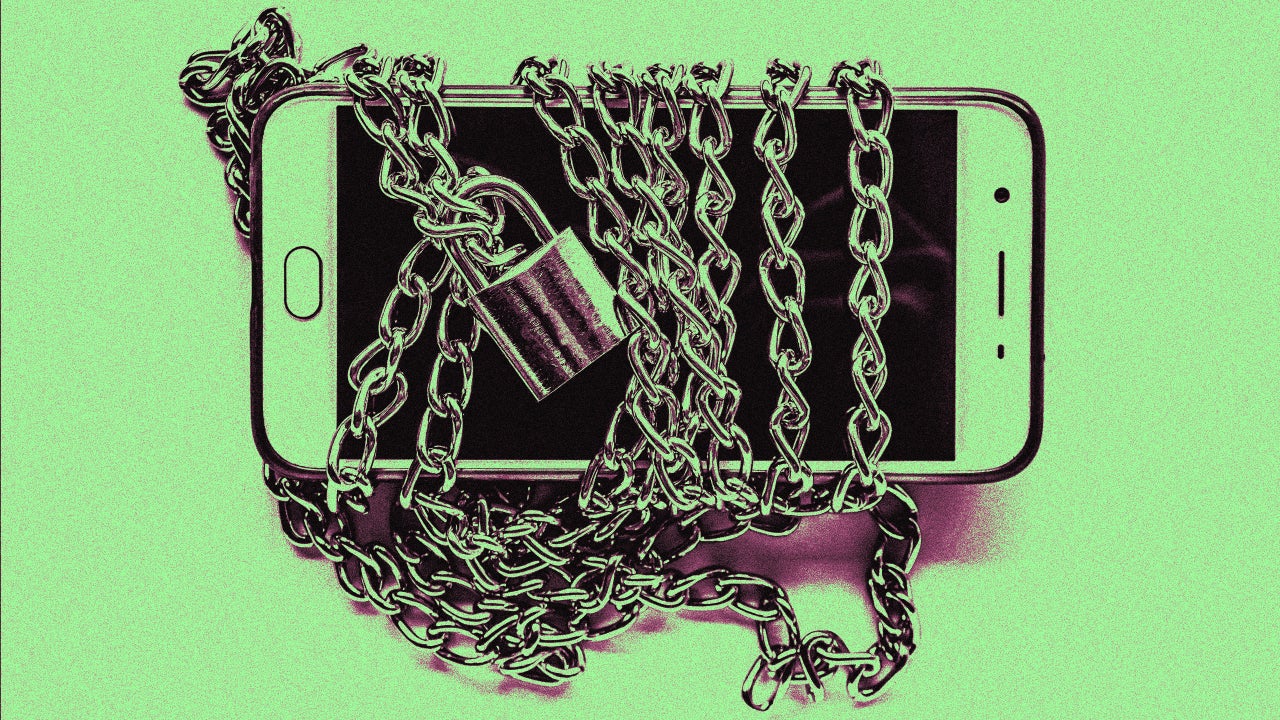
An author, struggling with information overload and distractions common to knowledge workers, implemented a strategy to "engineer more boredom" into their life. This involved consciously reducing internet consumption to research-only purposes and allowing for unstructured "wandering" time during periods typically filled with podcasts or phone usage. The author had previously established a habit of reading non-fiction in the morning and fiction before bed, which helped eliminate screen time at the start and end of their day, but still faced challenges with digital distractions during commutes and exercise.
The experiment, lasting for one week, aimed to create mental space for creativity, which had become difficult, described as "pushing a boulder up a hill." The author noted immediate positive results, including generating multiple story ideas during a single train ride. When experiencing a creative block, closing the laptop and allowing their mind to wander out the window led to a series of questions that were successfully transformed into solid story concepts.
Beyond creativity, the author also observed a significant improvement in their stress and anxiety levels. This outcome was attributed to the nature of social media, which often prioritizes sensational and controversial content. By reducing exposure to such stimuli, the author experienced a calmer mental state. The author's livelihood depends on creative output, making this personal experiment a critical endeavor for their well-being and professional success.
Original source — read the full reporting at the publisher:
Read on Fast Company