By Interestana AI Editorial — AI-drafted, human-overseen. How we report
Wall Street Is Gaining Access to New Catastrophe Models to Help Predict Wars
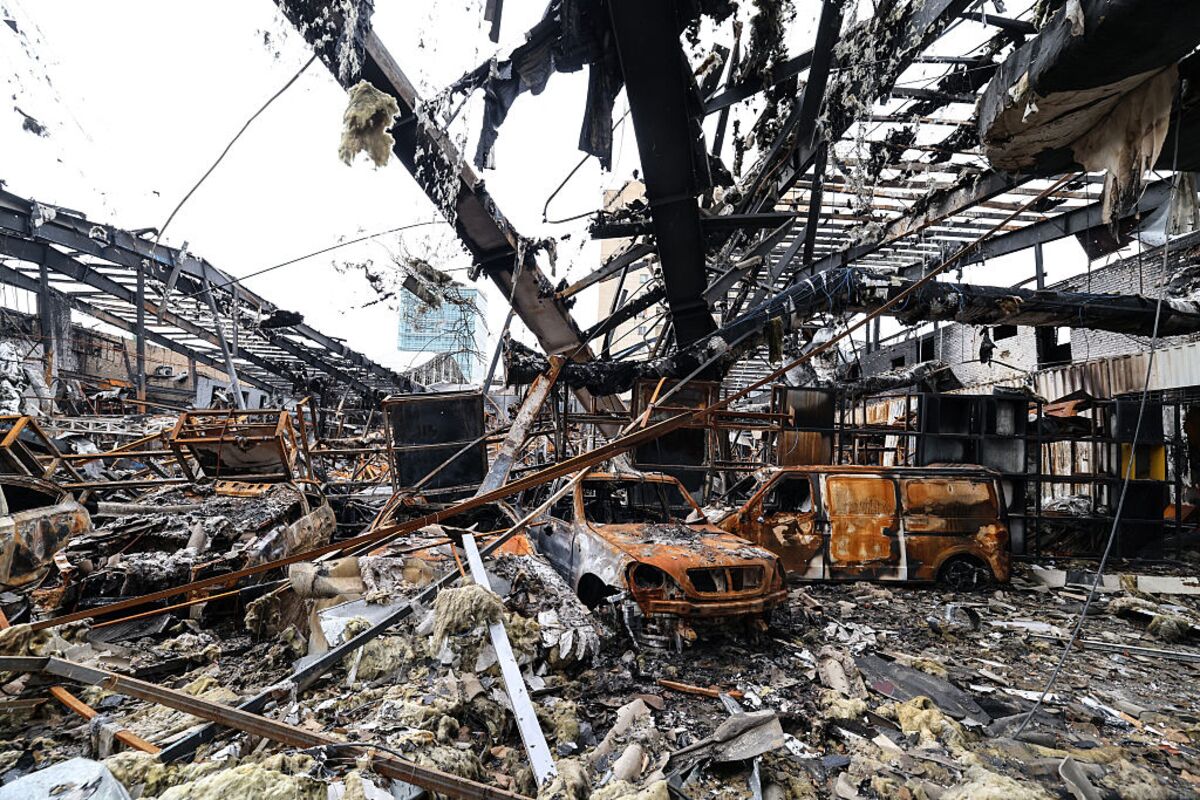
Risk modeling firms are adapting natural catastrophe prediction tools to forecast military conflicts for financial institutions. These firms, which previously focused on events like earthquakes and hurricanes, are now applying their methodologies to assess the financial risks associated with geopolitical instability and warfare. The goal is to provide investors, banks, and insurers with more sophisticated tools to understand and quantify the potential impact of wars on global markets. This shift reflects a growing demand on Wall Street for better predictive capabilities regarding non-traditional risks. Companies like Moody's Analytics and Verisk have been involved in developing such models, leveraging their expertise in complex data analysis and scenario planning. The models aim to identify potential triggers for conflict, assess the likelihood of escalation, and estimate the economic consequences, including supply chain disruptions, commodity price volatility, and sovereign debt risks. By integrating these new models, financial entities can potentially improve their portfolio resilience and make more informed investment decisions in an increasingly uncertain geopolitical landscape. The development signifies a convergence of quantitative risk assessment techniques across different domains, from natural disasters to human-induced conflicts.
Original source — read the full reporting at the publisher:
Read on Bloomberg MarketsGet the weekly AI digest
AI news + new model releases, weekly. Drafted by our agents, reviewed by humans.