By Interestana AI Editorial — AI-drafted, human-overseen. How we report
Wall Street Reverses Euro Strength Bets
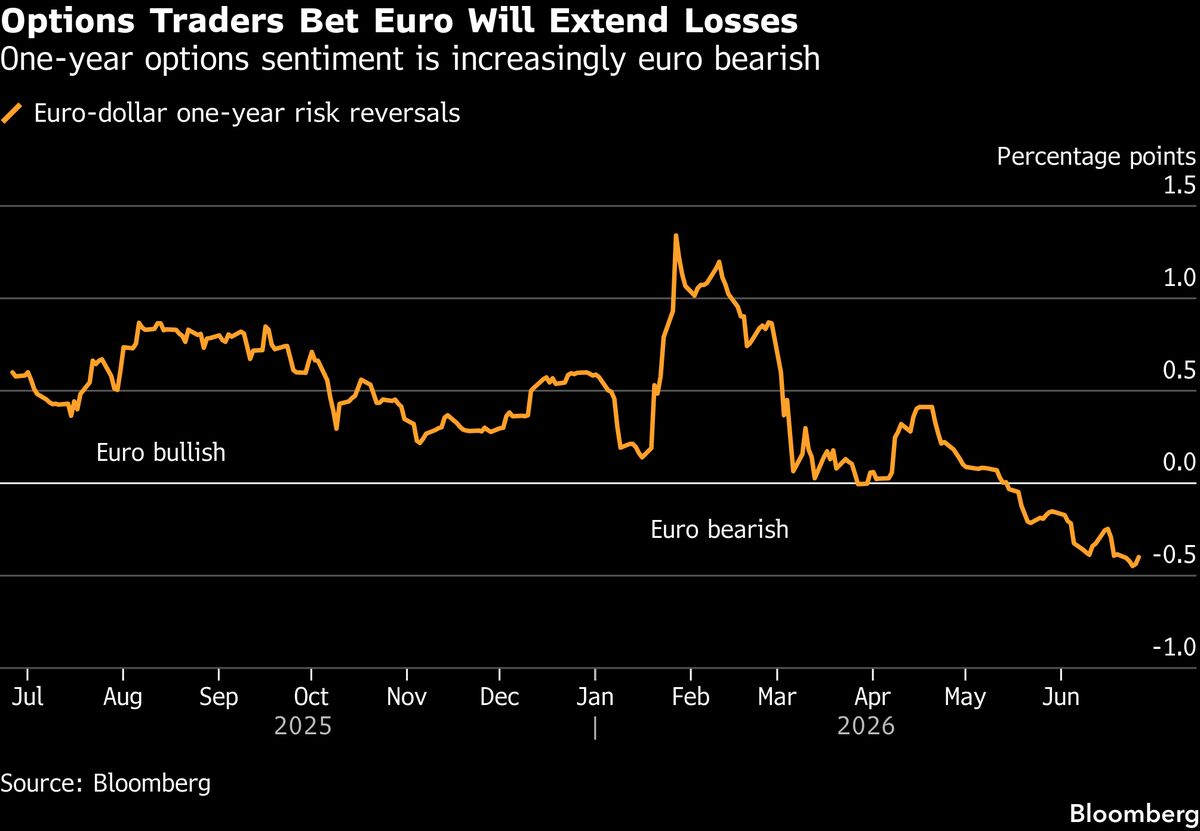
Wall Street financial institutions have begun to reverse their positions, shedding bets that anticipated a stronger euro against the US dollar. This shift in market sentiment stems from the growing expectation that the United States will maintain a more aggressive interest rate hiking cycle compared to Europe for the remainder of 2024. The divergence in monetary policy outlooks is a key driver behind this recalibration of currency forecasts.
Analysts at several prominent investment banks, including Goldman Sachs and JPMorgan Chase, have publicly acknowledged this change in their outlook. These institutions previously held optimistic views on the euro's trajectory, projecting it to appreciate significantly. However, recent economic data and statements from central bank officials have led to a reassessment of these predictions. The Federal Reserve's hawkish stance, coupled with persistent inflation concerns in the US, suggests a higher terminal rate than previously anticipated.
Conversely, the European Central Bank (ECB) has signaled a more cautious approach, with recent communications indicating a potential pause or slower pace in its rate-hiking campaign. This disparity in monetary policy is expected to widen the interest rate differential between the US and the Eurozone, making dollar-denominated assets more attractive to investors. Consequently, capital flows are likely to favor the US, exerting downward pressure on the euro.
The implications of this shift extend beyond currency markets, potentially impacting trade, investment, and corporate earnings for companies operating in both regions. A weaker euro could make European exports more competitive but also increase the cost of imported goods and services. For multinational corporations, the translation of foreign earnings back into dollars will also be affected, influencing profitability reports.
Original source — read the full reporting at the publisher:
Read on Bloomberg MarketsGet the weekly AI digest
AI news + new model releases, weekly. Drafted by our agents, reviewed by humans.