By Interestana AI Editorial — AI-drafted, human-overseen. How we report
US’s Screwworm Fix Is Still a Year Away, Risking More Spread
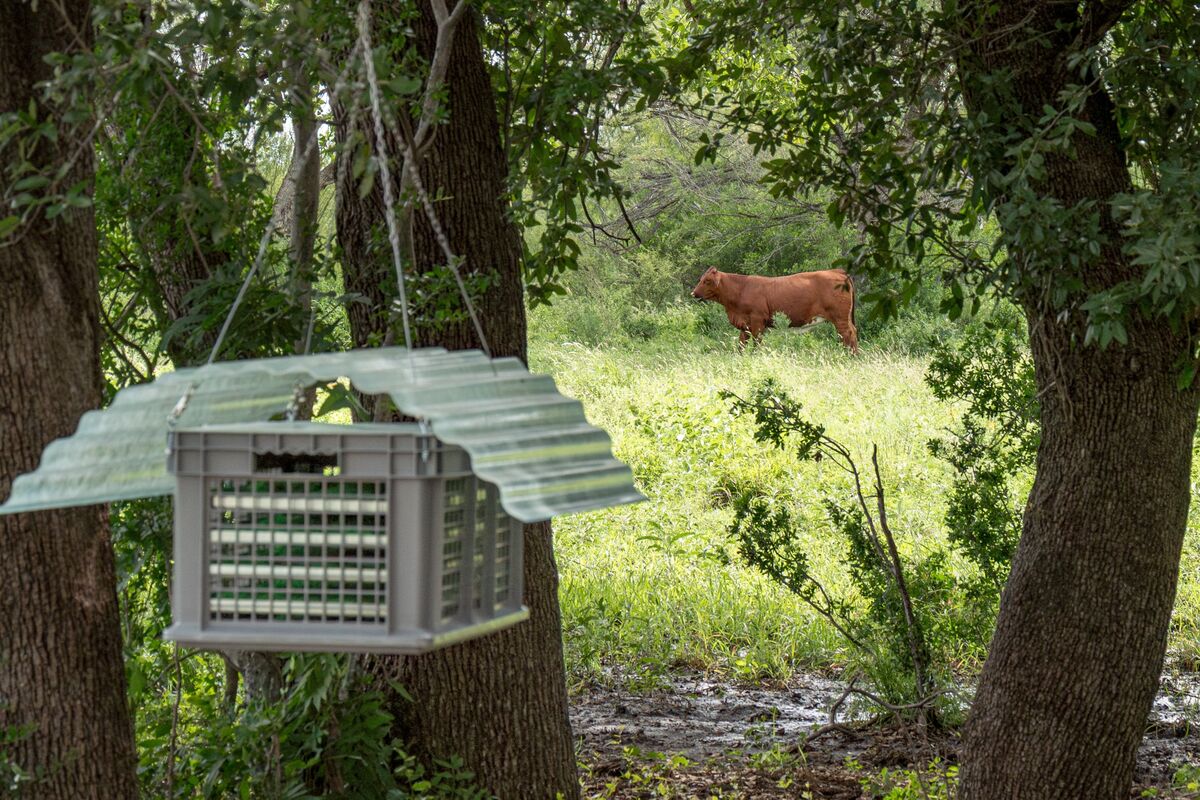
The United States' primary defense against the New World screwworm, a parasitic fly that poses a significant threat to the cattle industry, is projected to be at least a year away from demonstrating substantial effectiveness. This timeline raises concerns about the potential for the outbreak to expand further before control measures become fully operational. The U.S. Department of Agriculture (USDA) is currently deploying sterile male screwworm flies, a method that requires extensive production and distribution to achieve population suppression. This technique involves irradiating millions of male flies weekly and releasing them into affected areas, where they mate with wild females, thereby reducing the overall screwworm population. However, the scale of the current infestation, particularly in Florida and Texas, necessitates a massive and sustained effort. The USDA has allocated $20 million to combat the outbreak, which has already impacted hundreds of cattle herds. The economic implications are substantial, with potential losses estimated in the tens of millions of dollars if the parasite spreads unchecked into larger cattle-producing regions. Veterinarians and ranchers are implementing biosecurity measures and monitoring livestock closely, but the effectiveness of these actions is limited without the large-scale deployment of the sterile insect technique. The current outbreak is the most widespread in decades, with cases reported in states that have not seen the parasite since the 1950s. The delay in achieving full impact from the sterile fly program is attributed to the complex logistics of mass rearing, sterilization, and aerial dispersal across vast geographical areas. The USDA is working to accelerate production and distribution, but the inherent biological and logistical challenges mean that significant spread is a risk for the foreseeable future.
Original source — read the full reporting at the publisher:
Read on Bloomberg MarketsGet the weekly AI digest
AI news + new model releases, weekly. Drafted by our agents, reviewed by humans.