By Interestana AI Editorial — AI-drafted, human-overseen. How we report
Supreme Court Rules on Presidential Power Over Regulators
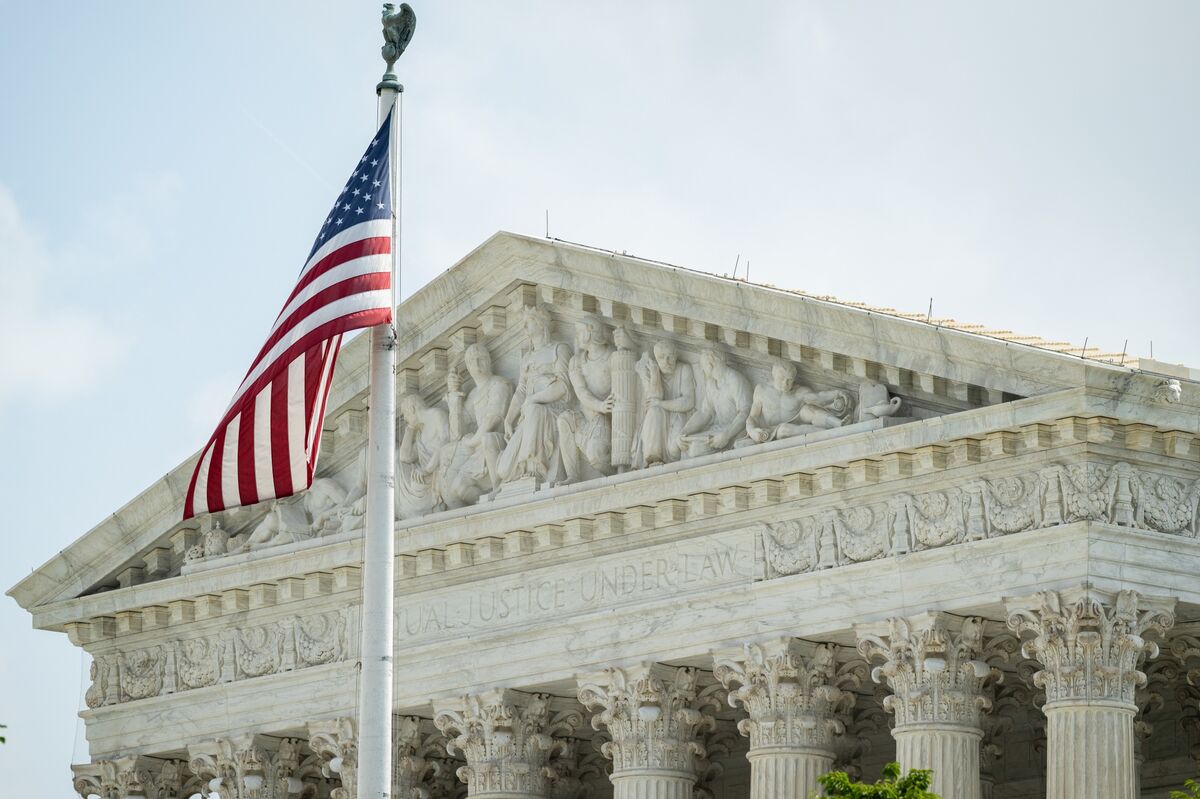
The Supreme Court ruled on March 18, 2024, that the President possesses the authority to remove leaders of independent agencies, a decision that significantly alters the landscape of regulatory oversight. This ruling, stemming from a case involving the Federal Housing Finance Agency (FHFA), grants the executive branch broader control over agencies previously considered insulated from direct presidential influence.
The court's decision centered on the structure of the FHFA, established under the Federal Housing Finance Agency Reform Act of 2008. The act had placed limitations on the President's ability to remove the agency's director, requiring "for cause" removal. The Supreme Court, however, found these provisions unconstitutional, asserting that they violated the "Take Care Clause" of Article II of the Constitution, which vests executive power in the President.
This judgment has far-reaching implications, particularly for sectors like financial markets and cryptocurrency regulation, where independent agencies often play a crucial role. Critics of the ruling express concerns that it could lead to increased political interference in regulatory bodies, potentially compromising their independence and the stability of market oversight. Proponents, however, argue that it aligns with the constitutional framework of executive authority, ensuring that the President can effectively manage the executive branch.
The ruling is seen as a victory for presidential power, allowing future administrations to more readily reshape regulatory bodies by replacing leadership. This could lead to shifts in policy and enforcement priorities across various sectors, including those dealing with financial stability and emerging technologies like cryptocurrency. The long-term effects on regulatory independence and market confidence remain a subject of ongoing debate and observation.
Original source — read the full reporting at the publisher:
Read on Bloomberg MarketsGet the weekly AI digest
AI news + new model releases, weekly. Drafted by our agents, reviewed by humans.