By Interestana AI Editorial — AI-drafted, human-overseen. How we report
The Whiplash of Trump’s Iran Capitulation
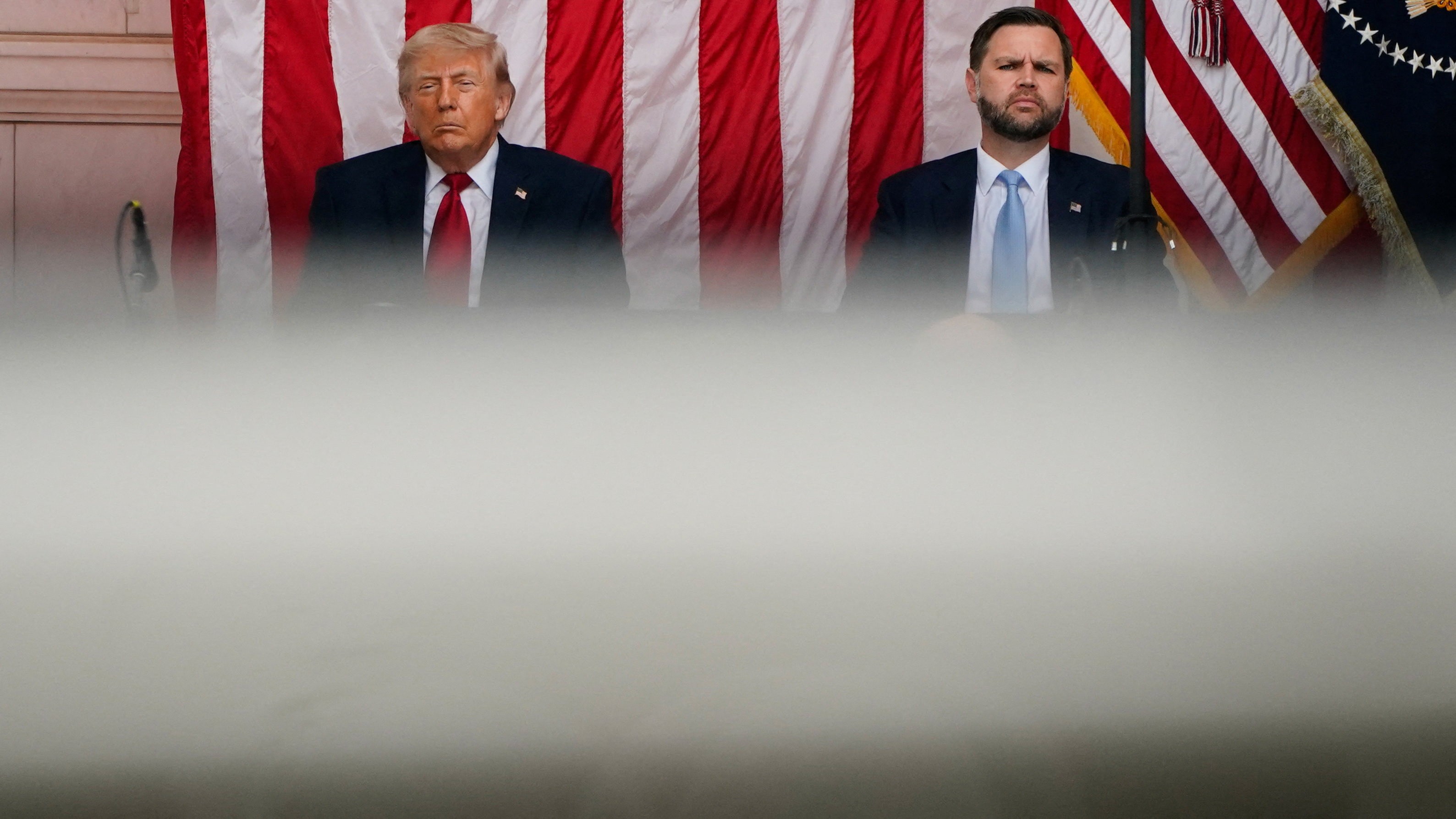
Donald Trump's foreign policy decisions, particularly concerning Iran, demonstrated a significant shift from established norms on October 13, 2017, when he announced his refusal to recertify the Iran nuclear deal. This decision, made despite recommendations from his own national security team, marked a departure from the Obama administration's approach and signaled a more confrontational stance towards Tehran. The move was met with international concern, with European allies like France, Germany, and the United Kingdom expressing their commitment to the deal. Trump's rationale, as stated by the White House, centered on Iran's alleged non-compliance with the spirit of the agreement and its broader destabilizing activities in the region, including its ballistic missile program and support for militant groups. This policy pivot was characterized by a focus on "maximum pressure," aiming to compel Iran to renegotiate terms more favorable to the United States. The subsequent withdrawal from the Joint Comprehensive Plan of Action (JCPOA) in May 2018 and the reimposition of sanctions further solidified this new direction, impacting Iran's economy and its international relations.
Original source — read the full reporting at the publisher:
Read on The AtlanticGet the weekly AI digest
AI news + new model releases, weekly. Drafted by our agents, reviewed by humans.