By Interestana AI Editorial — AI-drafted, human-overseen. How we report
USDA Prepares to Release 180 Million Sterile Flies
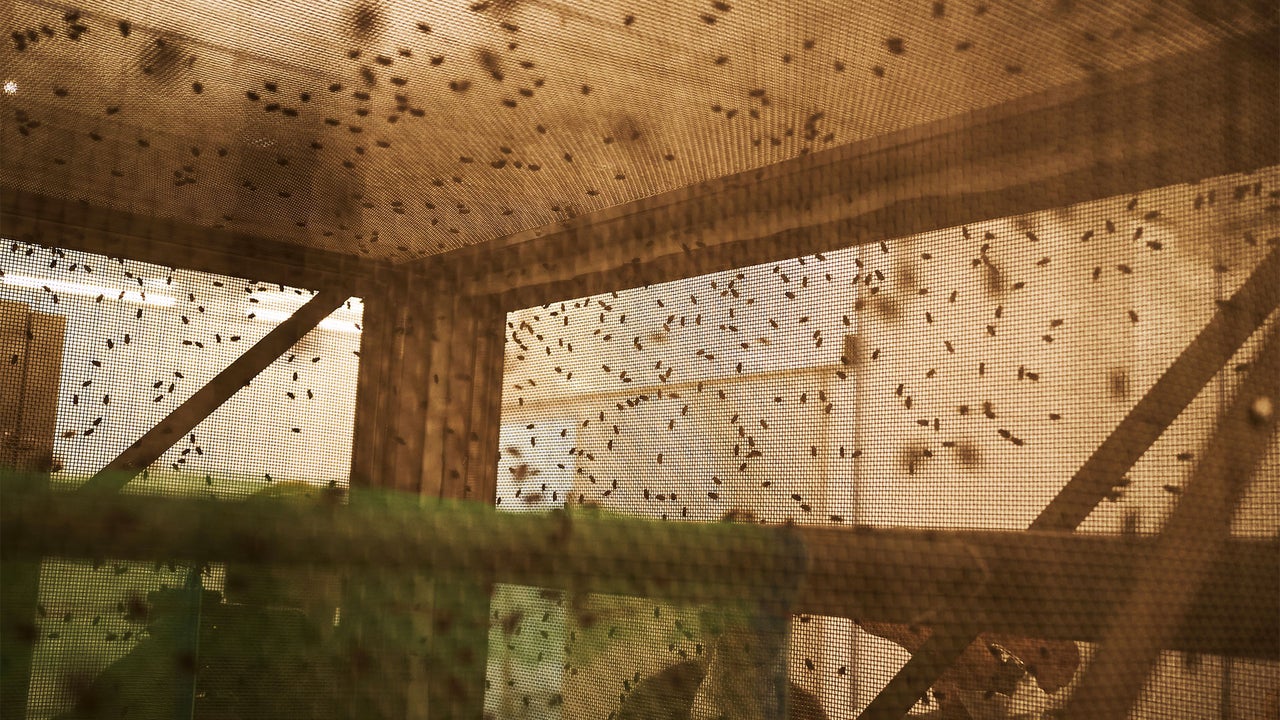
The U.S. Department of Agriculture (USDA) is preparing to release 180 million sterile flies as a novel method to combat the resurgence of the New World screwworm, a parasitic fly that is deadly to animals. On June 27, the USDA inaugurated a 22,000-square-foot sterile fly production plant in Metapa, Mexico. This facility represents a collaborative effort between the U.S. administration and the Mexican government, with construction taking 11 months.
The inauguration of the plant occurs amidst a critical rise in New World screwworm cases in the United States. While the parasite was believed to have been eradicated in the 1960s, at least 27 new animal cases have been reported since June 3, 2026. By June 29, the number of cases had climbed to 27 across two states. All identified infected animals are domestic, and no active cases have been reported in wild populations. Currently, Texas is the sole state with active cases, leading authorities to quarantine portions of 20 counties.
The sterile flies will be deployed using a sterile insect technique (SIT), a method designed to disrupt the insect's reproductive capabilities. This technique involves using gamma radiation to sterilize New World screwworm pupae. These sterilized pupae are then released into environments infested with the pest. According to a post on the USDA’s New World screwworm Rapid Response official X account, these sterile flies are released through ground and aerial operations to disrupt the pest’s life cycle and support efforts to protect livestock.
By mating with sterile flies, wild screwworms will be unable to reproduce, leading to the eventual decline and extinction of the fly population. This method is identical to the one employed in the 1960s, which successfully led to the eradication of the parasite. The USDA plans to release 180 million sterile flies as part of this initiative, aiming to prevent further harm to animals, as the screwworm maggots feed on the flesh of warm-blooded animals.
Original source — read the full reporting at the publisher:
Read on Fast CompanyGet the weekly AI digest
AI news + new model releases, weekly. Drafted by our agents, reviewed by humans.