By Interestana AI Editorial — AI-drafted, human-overseen. How we report
The Supreme Court’s Era of Meaningless Rights
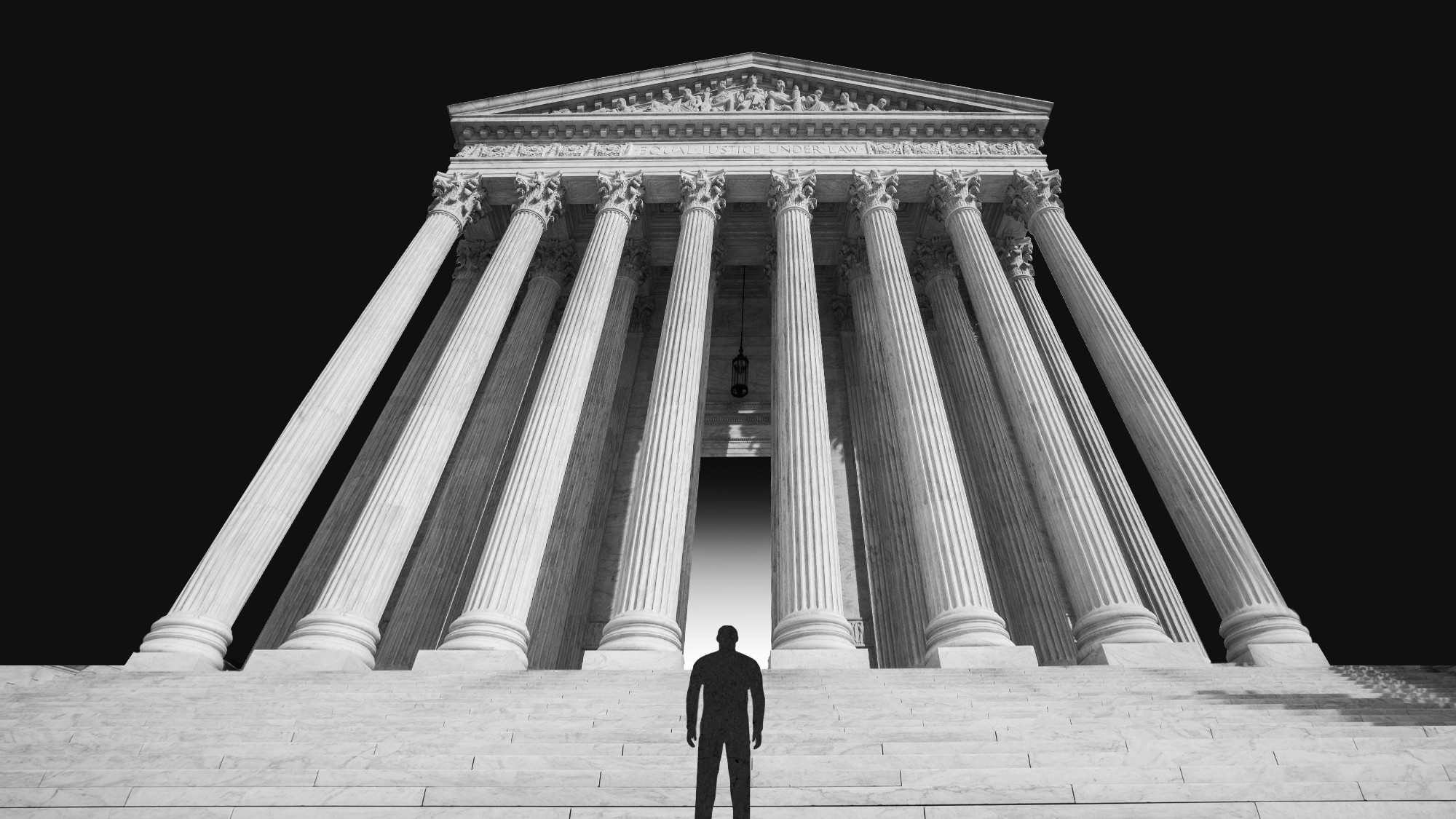
The Supreme Court has issued rulings that effectively render certain rights unenforceable through the judicial system, according to an analysis published this week. The Court's decisions, particularly in cases concerning administrative law, suggest a trend where individuals or entities may possess rights but lack a legal avenue to seek redress when those rights are infringed upon. This approach, characterized by the Court's interpretation of jurisdictional limitations, means that while a right might be acknowledged in principle, its practical enforcement by federal courts is significantly curtailed. The analysis highlights that this shift does not negate the existence of the rights themselves but rather removes the judiciary as a recourse for their protection. This has led to concerns that such rights become abstract, lacking the tangible power of legal enforcement. The implications of this judicial stance are that individuals and organizations may find themselves without legal remedies for violations of their established rights, potentially altering the landscape of legal protections and accountability.
Original source — read the full reporting at the publisher:
Read on The AtlanticGet the weekly AI digest
AI news + new model releases, weekly. Drafted by our agents, reviewed by humans.