By Interestana AI Editorial — AI-drafted, human-overseen. How we report
The changing face of Mongolia as, beneath the grass, permafrost thaws
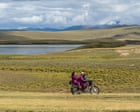
Mongolia is experiencing rapid warming due to climate breakdown, significantly transforming its cryosphere and permafrost landscapes, which are among the most southerly in the Northern Hemisphere. Ulaanbaatar, the world's coldest capital city, reflects Mongolia's generally cold climate, where physical and ecological processes often mirror those at higher latitudes. Communities in Khövsgöl province have noted an increase in migratory birds from China consuming local fish, indicating shifts in ecosystems. Historical surveys from the 1970s indicated permafrost covered approximately 63% of Mongolia, but current estimates suggest this has decreased to between 26% and 29%. Nikolay Shiklomanov, a professor at George Washington University, states that Mongolia's permafrost is typically warm, thin, and dry, making it highly susceptible to rising temperatures, with climate change identified as the main driver of this decline. Local factors like overgrazing can exacerbate permafrost thaw by removing insulating vegetation.
Original source — read the full reporting at the publisher:
Read on The Guardian EnvironmentGet the weekly AI digest
AI news + new model releases, weekly. Drafted by our agents, reviewed by humans.