By Interestana AI Editorial — AI-drafted, human-overseen. How we report
Supreme Court Rules Presidents Can Fire SEC, CFTC Heads
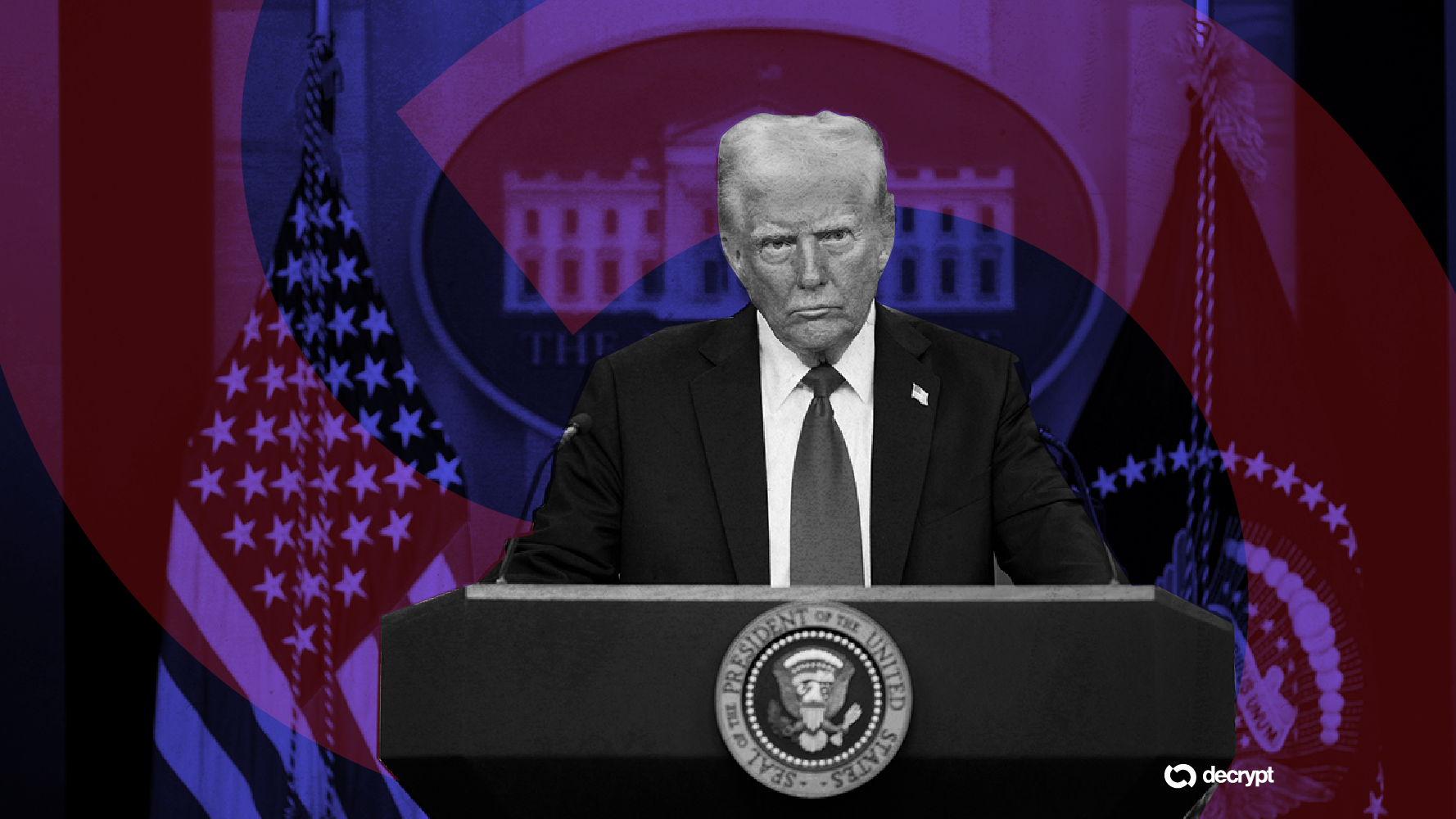
The U.S. Supreme Court ruled on June 13, 2024, that presidents can remove leaders of independent agencies, such as the Securities and Exchange Commission (SEC) and the Commodity Futures Trading Commission (CFTC), at will. This decision overturns a 91-year-old precedent established in the 1935 case Humphrey v. United States, which had limited the president's power to remove officials in agencies designed to be independent of direct presidential control.
The ruling, which came in the case of Peter Liu, a former commissioner on the Federal Housing Finance Agency (FHFA), found that the tenure protection for certain agency heads violated the Constitution's separation of powers. Chief Justice John Roberts wrote the majority opinion, stating that the president's executive power requires the ability to ensure that agency leaders are aligned with the administration's policy goals. This decision significantly expands presidential authority over a range of federal regulatory bodies.
This ruling has immediate implications for the SEC and CFTC, agencies that play a critical role in overseeing financial markets, including the rapidly evolving cryptocurrency sector. The ability for a president to freely replace commissioners could lead to shifts in regulatory approaches and enforcement priorities. For instance, a president could potentially replace current SEC Chair Gary Gensler, whose tenure has been marked by aggressive enforcement actions against crypto firms, with an appointee holding a different view on digital asset regulation.
The decision was split 6-3, with Justices Elena Kagan, Sonia Sotomayor, and Ketanji Brown Jackson dissenting. Justice Kagan argued that the ruling undermines the independence of agencies designed to operate free from political pressure, potentially leading to politicized decision-making. The immediate impact of this ruling on the future regulatory landscape for industries like cryptocurrency remains to be seen, but it grants future presidents considerably more leverage over these key oversight bodies.
Original source — read the full reporting at the publisher:
Read on DecryptGet the weekly AI digest
AI news + new model releases, weekly. Drafted by our agents, reviewed by humans.