By Interestana AI Editorial — AI-drafted, human-overseen. How we report
SpaceX IPO today: How volatile trading could impact your 401k retirement account—and why investors are worried
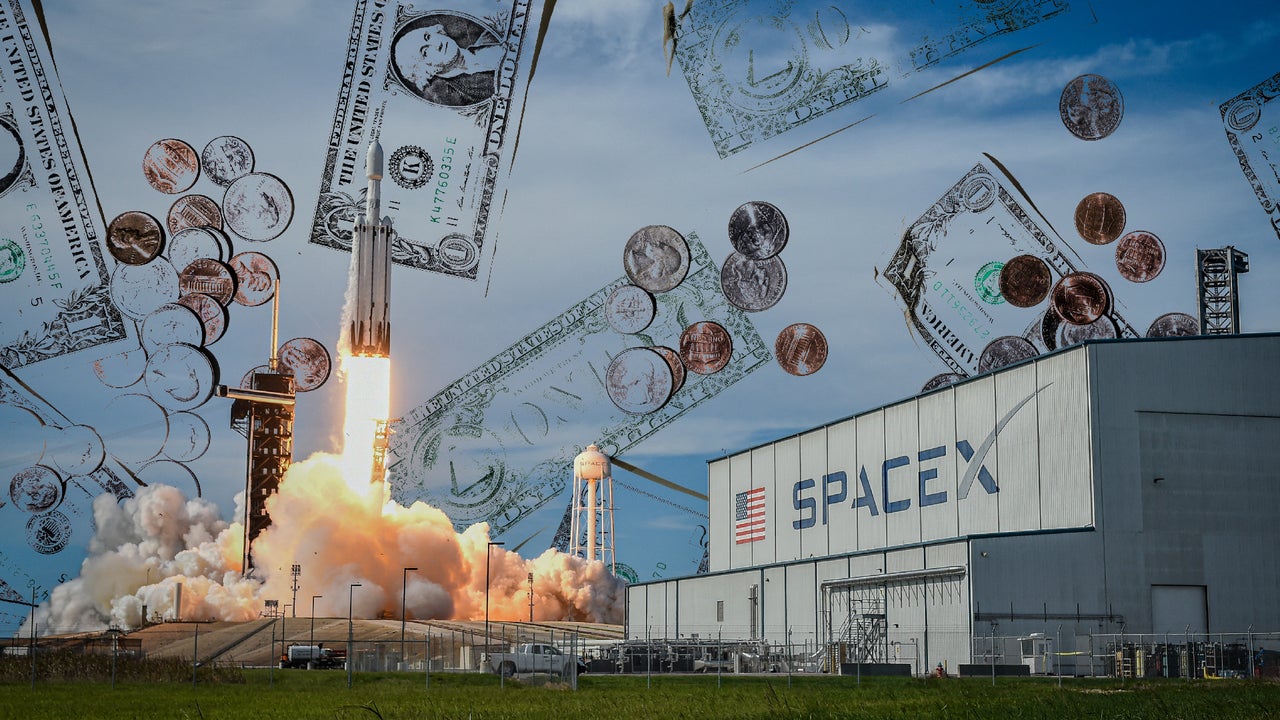
SpaceX is preparing for its initial public offering (IPO), with an expected valuation of approximately $1.75 trillion, which would position it among the world's most valuable companies. This event is significant for many investors, including those with retirement accounts, due to SpaceX's rapid inclusion in major market indexes like the Nasdaq-100 and the Russell 1000. These indexes have adjusted their rules to facilitate SpaceX's inclusion, leading to billions of dollars in mandatory purchases by index funds. Consequently, investors holding shares in these funds, which often include 401(k) accounts, are indirectly becoming investors in SpaceX.
Despite the considerable market anticipation, concerns persist regarding SpaceX's financial performance. The company has not achieved profitability, reporting a loss of $4.9 billion in the last quarter. SpaceX's own SEC filing indicates that profitability "may never occur." Further complicating the financial picture is Elon Musk's decision to integrate his AI startup xAI into SpaceX, and SpaceX's substantial customer relationship with Tesla, another Musk-led company. These factors have contributed to investor caution.
The inclusion of SpaceX in major market indexes means that many investors, even those wary of the company's profitability, are now indirectly exposed to its stock through their index fund holdings. This involuntary investment is a primary source of concern for individuals managing their retirement savings. The potential volatility of a company with a questionable financial track record, coupled with its significant market weighting, raises questions about its long-term impact on broader market stability and individual investment portfolios.
Original source — read the full reporting at the publisher:
Read on Fast CompanyGet the weekly AI digest
AI news + new model releases, weekly. Drafted by our agents, reviewed by humans.