By Interestana AI Editorial — AI-drafted, human-overseen. How we report
Sen. Armstrong: Permitting Reform Lowers Energy Costs
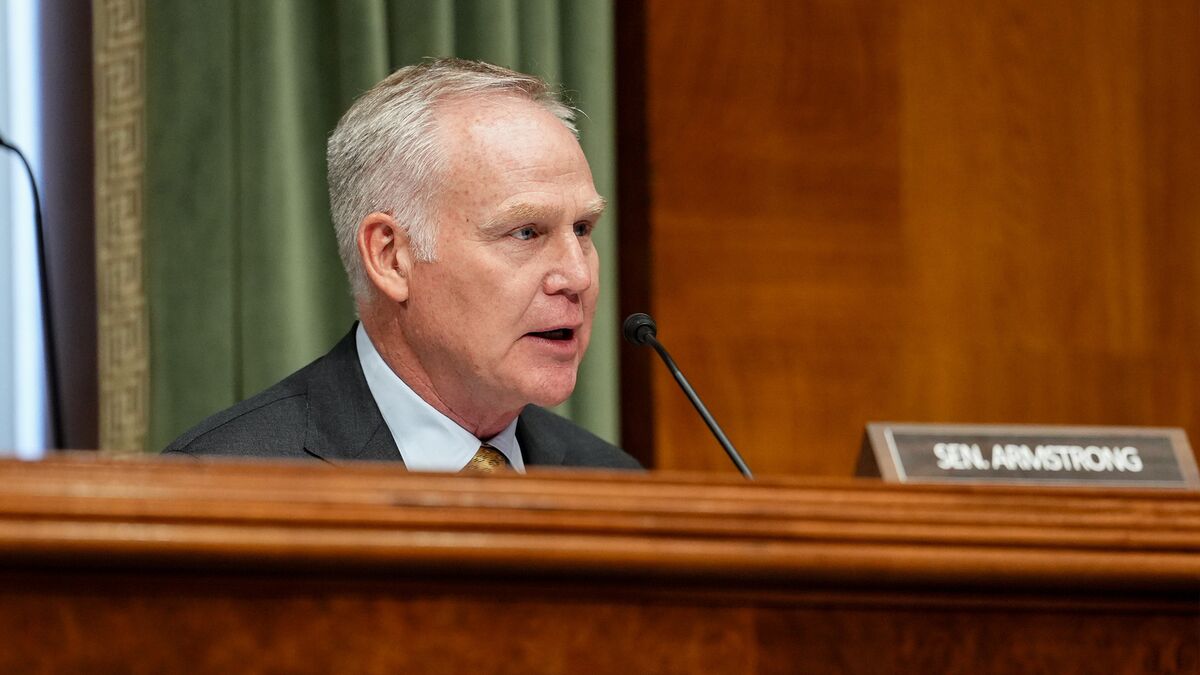
Senator Alan Armstrong (R-Oklahoma) stated this week that permitting reform, rather than increased federal spending, is the most effective strategy for lowering housing and energy costs. Armstrong articulated his position during an appearance on Bloomberg This Weekend, asserting that current regulatory delays have created significant infrastructure bottlenecks. These bottlenecks, he explained, directly contribute to higher prices for consumers across both sectors.
Armstrong's argument centers on the idea that streamlining the approval processes for new energy and housing projects can unlock supply and reduce the time and cost associated with development. He suggested that this approach would be more impactful than injecting additional federal funds, which may not address the underlying inefficiencies in how projects are approved and built. The senator's focus on permitting reform highlights a debate within policy circles regarding the best methods to stimulate economic growth and affordability.
The senator's comments underscore a perspective that emphasizes deregulation and process optimization as drivers of economic benefit. By removing or reducing administrative hurdles, the aim is to accelerate the deployment of infrastructure and housing, thereby increasing supply and potentially lowering prices. This contrasts with approaches that rely primarily on direct government investment or subsidies to achieve similar goals. Armstrong's specific mention of "infrastructure bottlenecks" points to a belief that the physical and regulatory landscape for construction and energy projects is a primary constraint.
Original source — read the full reporting at the publisher:
Read on Bloomberg MarketsGet the weekly AI digest
AI news + new model releases, weekly. Drafted by our agents, reviewed by humans.