By Interestana AI Editorial — AI-drafted, human-overseen. How we report
RBI Seen Joining Asia’s Rate-Hike Push as Inflation Risks Rise
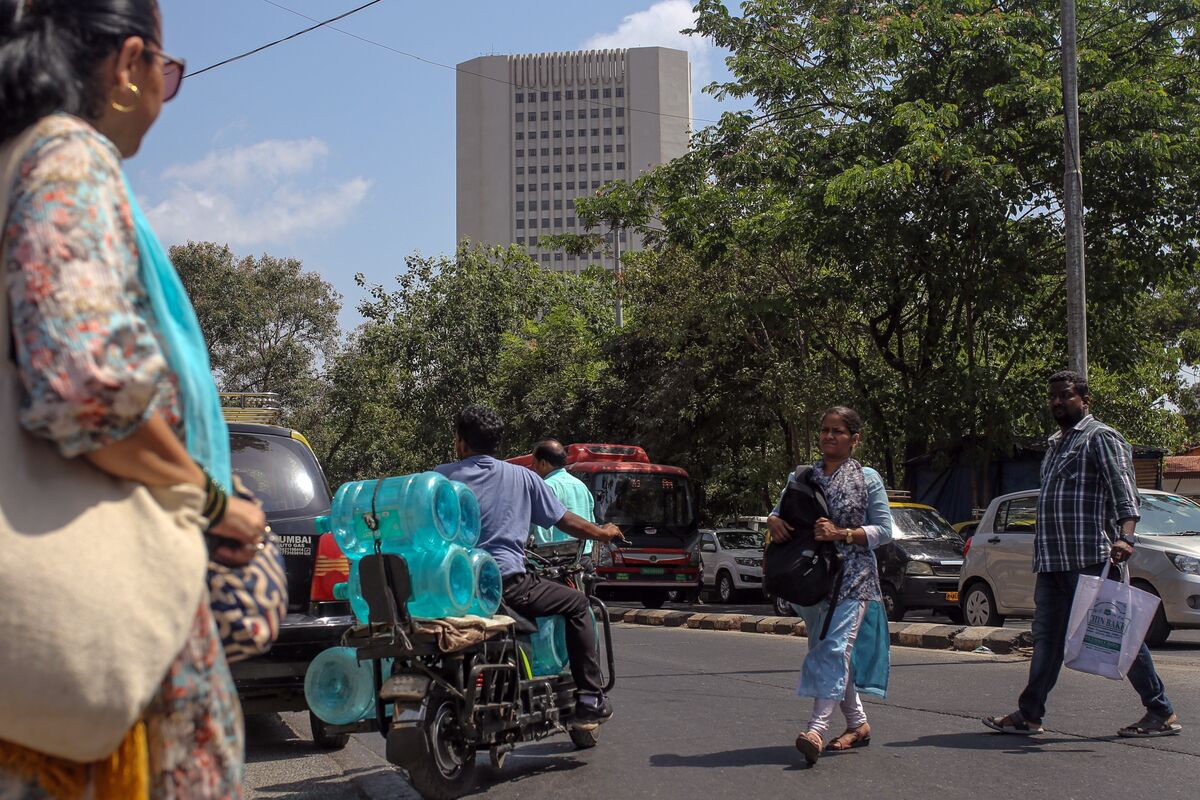
The Reserve Bank of India (RBI) is expected to raise interest rates in the coming months, aligning with a broader trend of monetary tightening across Asia as inflationary risks escalate. Economists anticipate this move as a response to rising price pressures, exacerbated by the ongoing conflict in the Middle East. This potential policy shift by the RBI would mark a departure from its previous stance, which had been more accommodative in the face of slower economic growth.
Several factors are contributing to the anticipated hawkish turn. Global energy prices have seen significant volatility due to geopolitical tensions, directly impacting import costs for countries like India, which is a major energy importer. Furthermore, supply chain disruptions, already a concern post-pandemic, are being amplified by regional conflicts, leading to increased costs for a range of goods. These combined pressures are feeding into domestic inflation, eroding purchasing power and posing a challenge to economic stability.
The RBI's decision will be closely watched as it balances the need to control inflation with the imperative to support economic growth. Previous periods of monetary tightening in India have sometimes coincided with a slowdown in economic activity, and policymakers will be keen to avoid a severe deceleration. The central bank will likely consider a range of economic indicators, including inflation rates, growth figures, and global economic conditions, before announcing any policy changes.
This anticipated move by the RBI is part of a wider regional phenomenon. Many central banks in Asia have already begun to signal or implement tighter monetary policies. For instance, the Monetary Authority of Singapore and the Bank of Korea have recently adopted more hawkish stances. The coordinated nature of these policy shifts underscores the interconnectedness of global economies and the shared challenges posed by inflation and geopolitical instability. The RBI's potential rate hikes would therefore not be an isolated event but rather a continuation of a significant regional monetary policy recalibration.
Original source — read the full reporting at the publisher:
Read on Bloomberg MarketsGet the weekly AI digest
AI news + new model releases, weekly. Drafted by our agents, reviewed by humans.