By Interestana AI Editorial — AI-drafted, human-overseen. How we report
Paradise Revisited
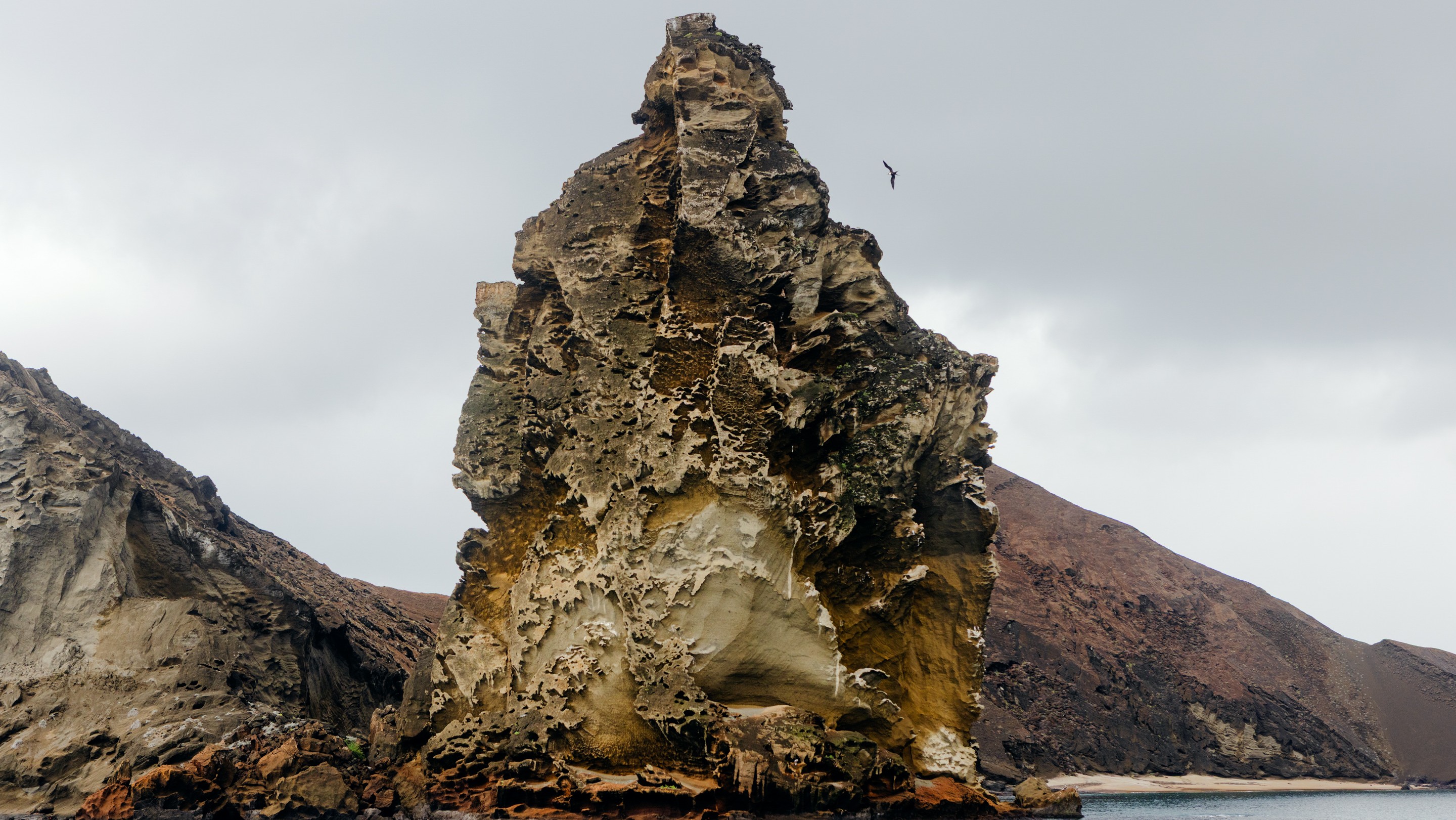
Charles Darwin's observations in the Galápagos Islands during the 1835 voyage of HMS Beagle provided foundational evidence for his theory of evolution by natural selection. Darwin collected numerous specimens, including finches, mockingbirds, and tortoises, noting distinct variations among populations on different islands. These variations, such as the beak shapes of finches adapted to specific food sources, were crucial in his later development of evolutionary concepts. The expedition, which lasted from December 1831 to October 1836, allowed Darwin to study a diverse range of flora and fauna in a relatively isolated environment. His meticulous notes and collected samples, analyzed upon his return to England, became a cornerstone of biological science. The Galápagos archipelago, a volcanic chain located approximately 600 miles west of Ecuador, offered a unique natural laboratory for studying adaptation and speciation. Darwin's work in the Galápagos has since inspired countless scientific expeditions and continues to be a vital reference point for understanding evolutionary biology.
Original source — read the full reporting at the publisher:
Read on The AtlanticGet the weekly AI digest
AI news + new model releases, weekly. Drafted by our agents, reviewed by humans.