By Interestana AI Editorial — AI-drafted, human-overseen. How we report
Oil supplies could still take months to get back on track despite a U.S.-Iran ceasefire
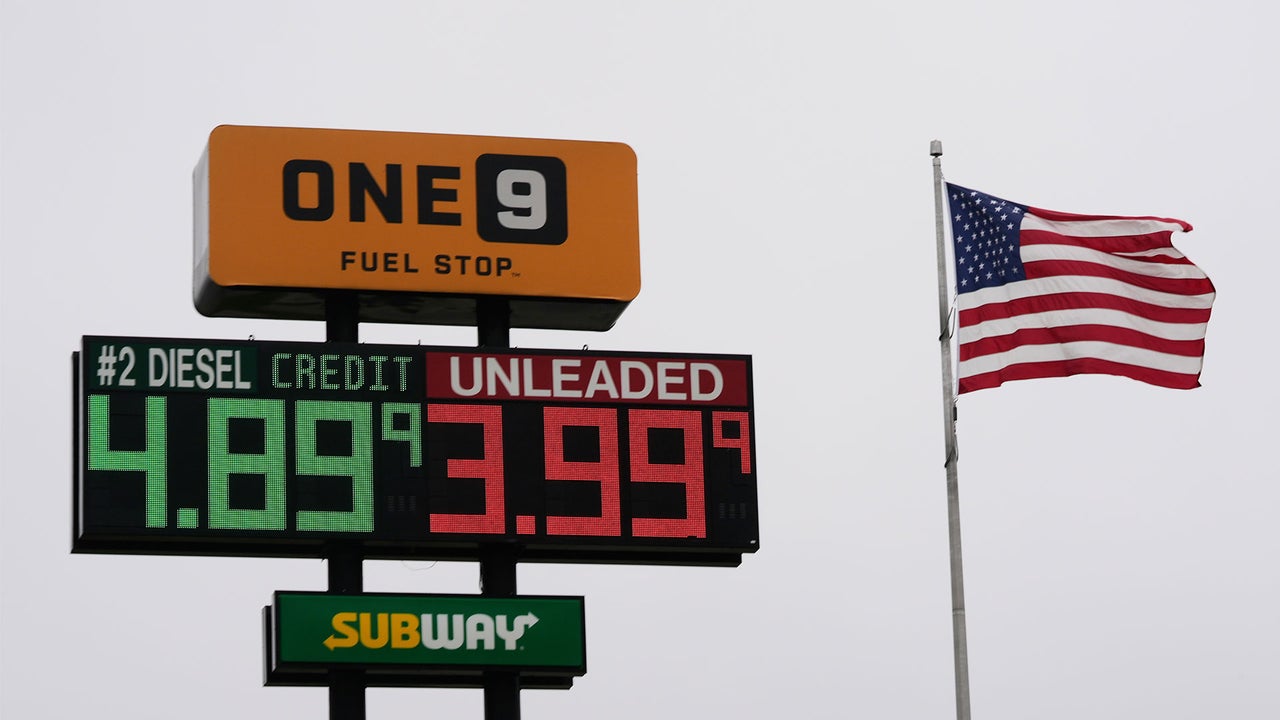
Oil supplies are expected to take months to fully recover despite a U.S.-Iran ceasefire agreement announced on Sunday that aims to reopen the Strait of Hormuz. Energy experts anticipate a slow return to pre-war operational levels due to the complexities of shipping and refining crude oil, as well as lingering concerns about the waterway's security. Approximately one-fifth of global oil and gasoline supplies typically transit the Strait of Hormuz, and ships have been stranded in the Persian Gulf for over three months due to the conflict. Daniel Evans, global head of fuels and refining research at S&P Global Energy, stated that it will require time for comfort levels to rise, insurance to be secured, and personnel to be deployed to restart production assets. Following the announcement, oil prices saw a decline, with Brent crude falling by $3.45 to $83.89 per barrel and U.S. benchmark crude dropping $4.03 to $80.85 per barrel. These prices remain elevated compared to the approximately $70 per barrel traded before the conflict. The process of clearing stranded tankers and initiating new shipments, followed by the lengthy transit times to refineries and final destinations, will contribute to the extended recovery period. Some Middle Eastern producers had also temporarily halted oil extraction, known as a shut-in, during the conflict.
Original source — read the full reporting at the publisher:
Read on Fast CompanyGet the weekly AI digest
AI news + new model releases, weekly. Drafted by our agents, reviewed by humans.