By Interestana AI Editorial — AI-drafted, human-overseen. How we report
Oil Prices Climb on US-Iran Ceasefire Agreement
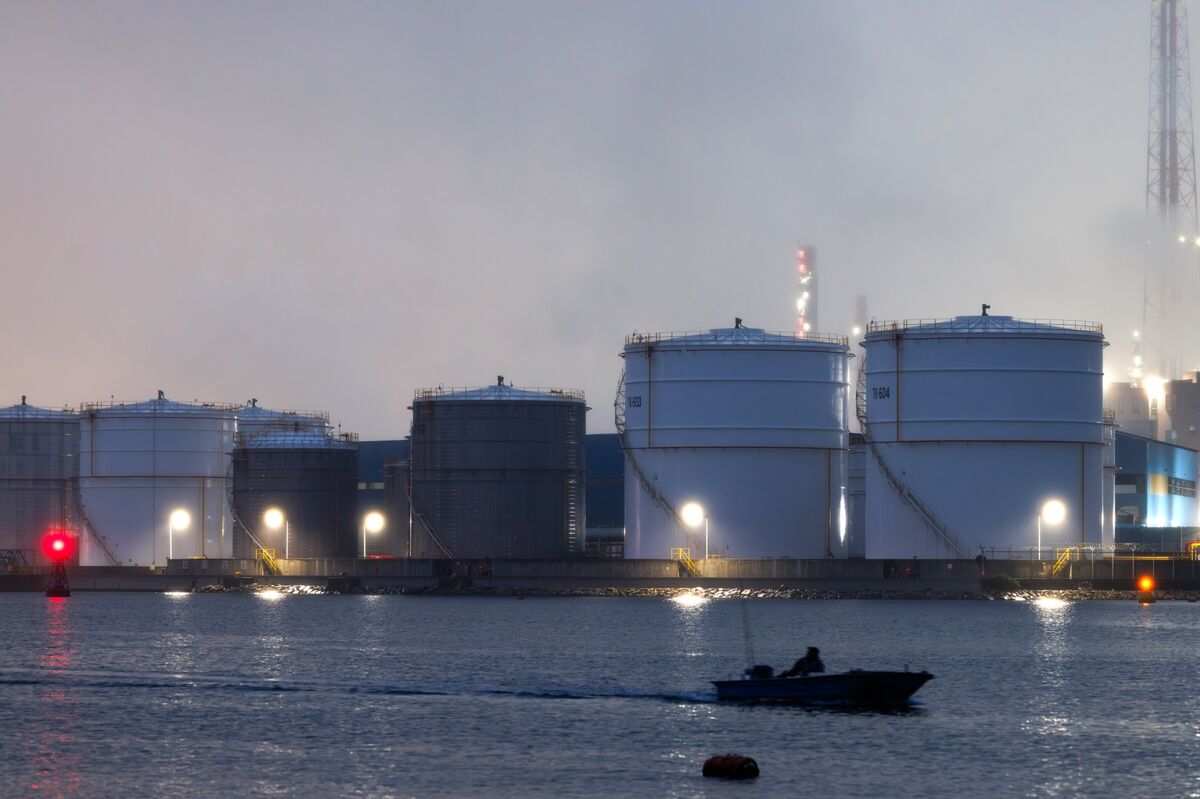
Oil prices saw an increase this week following reports that the United States and Iran have reached an agreement to halt retaliatory attacks. This de-escalation comes after a recent incident where a supertanker carrying Qatari crude oil was struck near the critical Strait of Hormuz shipping lane. The agreement aims to prevent further military engagements and stabilize the region's geopolitical climate, which has direct implications for global energy markets.
The incident involving the supertanker, identified as the "Al-Gassra," occurred on Tuesday, prompting concerns about the security of oil transit through the Strait of Hormuz, a vital chokepoint for global oil supply. The vessel, operated by QatarEnergy, sustained minor damage but was able to continue its journey. Initial reports suggested the attack was carried out by Iranian-backed forces, a claim that Iran has denied. The US military confirmed its involvement in intercepting drones and missiles in the vicinity, indicating a heightened state of tension.
Market analysts have closely monitored the situation, with any disruption in the Persian Gulf region typically leading to significant volatility in crude oil prices. The reported ceasefire is expected to ease immediate supply concerns and reduce the risk premium associated with oil shipments from the Middle East. However, the long-term implications for oil prices will depend on the sustained adherence to the agreement by both parties and the broader geopolitical stability in the region. The agreement, brokered through indirect channels, signifies a temporary reprieve from escalating tensions that have impacted international trade and energy security.
Original source — read the full reporting at the publisher:
Read on Bloomberg MarketsGet the weekly AI digest
AI news + new model releases, weekly. Drafted by our agents, reviewed by humans.