By Interestana AI Editorial — AI-drafted, human-overseen. How we report
MAIA: Young: Real Winner from OPEC+ Hike is Russia
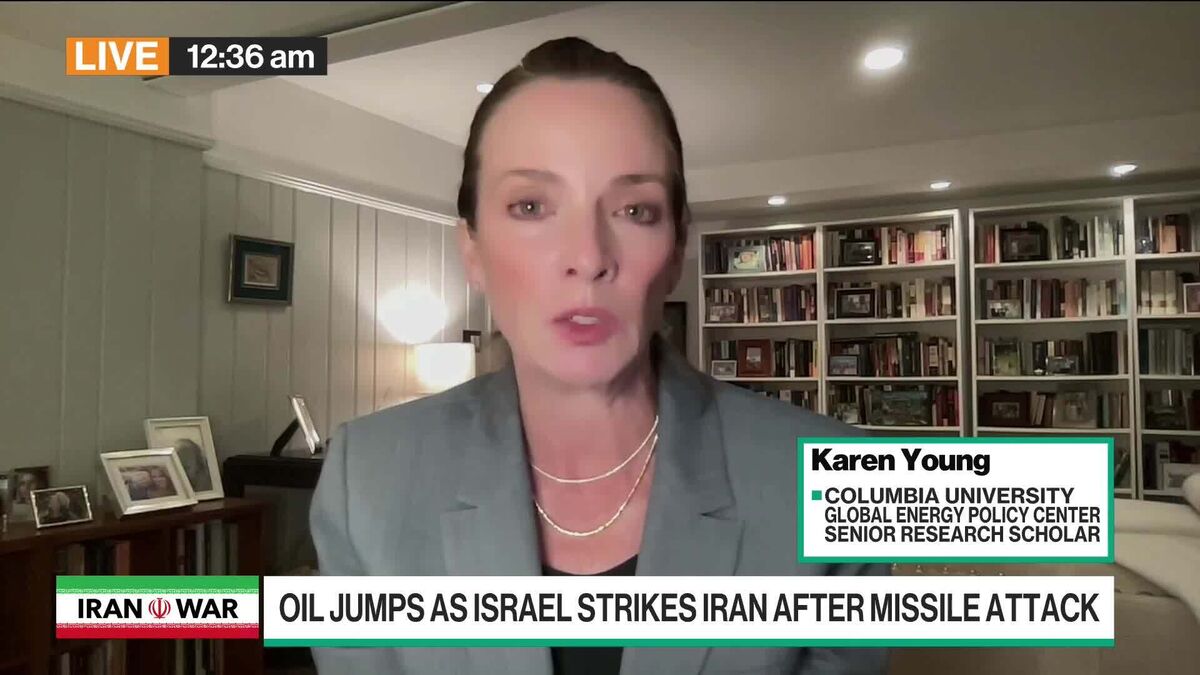
Oil prices saw a significant increase following renewed hostilities between Iran and Israel, raising concerns about regional energy supply stability and the critical Strait of Hormuz shipping lane. Karen Young, a Senior Research Scholar at Columbia University's Center on Global Energy Policy, discussed the implications of these developments for the OPEC+ group in an interview with Bloomberg.
The escalation in the Middle East has reintroduced volatility into the global oil market, a factor that often benefits oil-producing nations. While the immediate cause of the price surge is the geopolitical tension, the underlying dynamics of oil supply and demand, particularly as managed by OPEC+, remain a key determinant of longer-term price trends. Young's analysis likely focused on how OPEC+ might respond to or be influenced by this renewed instability, considering their mandate to manage oil production to stabilize markets and support prices.
Russia, a prominent member of the OPEC+ alliance, stands to be a primary beneficiary of higher oil prices. The country's economy is heavily reliant on oil and gas revenues, and increased global prices translate directly into greater export earnings. This financial boost can be particularly crucial for Russia given existing international sanctions and its ongoing military expenditures. The geopolitical instability, therefore, indirectly serves Russia's economic interests by driving up the value of its primary export commodity.
Young's insights would have provided a nuanced perspective on the complex interplay between geopolitical events, energy markets, and the strategic decisions of major oil producers like OPEC+. The situation highlights the delicate balance of power and economic interests at play, where regional conflicts can have far-reaching global consequences, particularly for energy-dependent economies and the broader international economic landscape. The ongoing situation underscores the vulnerability of global energy markets to geopolitical shocks and the strategic importance of regions like the Middle East for maintaining stable energy flows.
Original source — read the full reporting at the publisher:
Read on Bloomberg MarketsGet the weekly AI digest
AI news + new model releases, weekly. Drafted by our agents, reviewed by humans.