By Interestana AI Editorial — AI-drafted, human-overseen. How we report
Latest Houthi Shipping Threat Is Blunted by Thin Red Sea Traffic
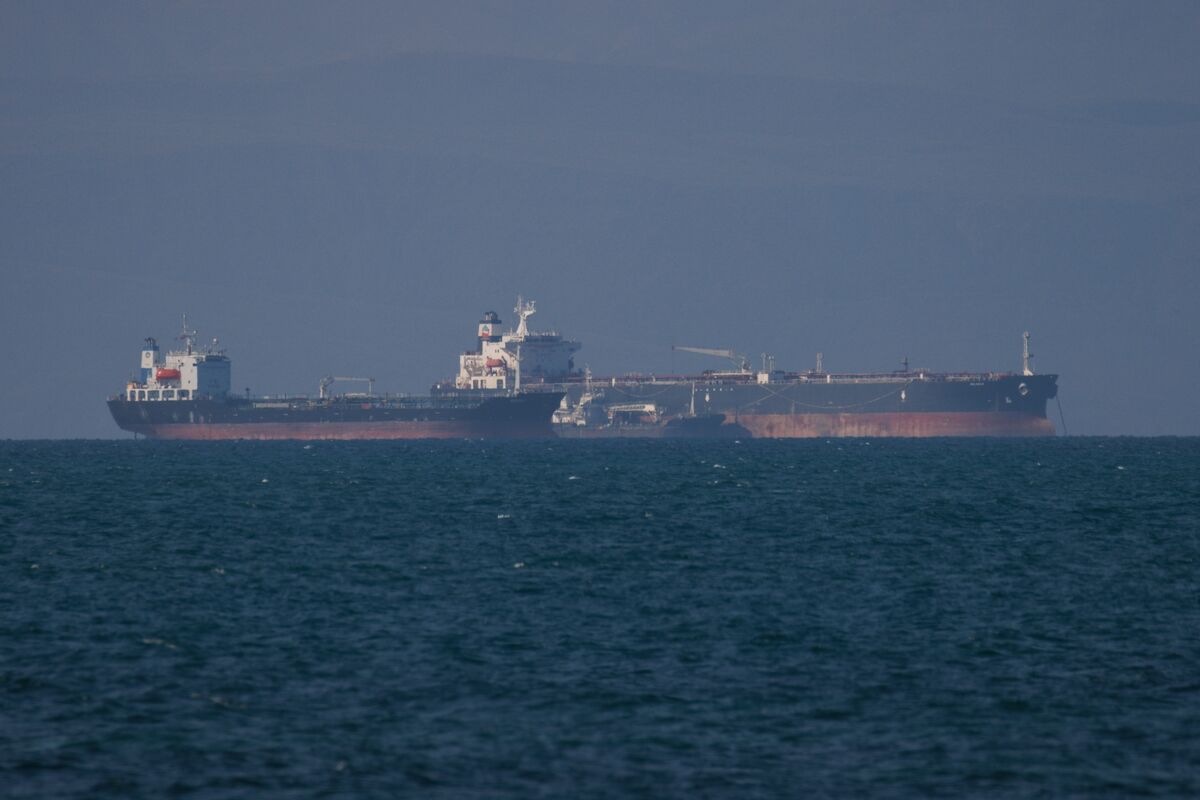
The Houthi militant group's recent threats to shipping in the Red Sea and Gulf of Aden have had a limited impact due to significantly reduced traffic levels compared to late 2023. Data indicates that transits into the Gulf of Aden, a key maritime artery, remain substantially lower than the peaks observed last year when the Houthis intensified their attacks on commercial vessels. This diminished traffic volume means that even if the Houthi threat were fully realized, the actual number of ships potentially affected would be considerably less than in previous periods of heightened activity. The group, based in Yemen, has been targeting shipping lanes in the region as part of its broader campaign in solidarity with Palestinians amid the ongoing conflict in Gaza.
The reduced transit numbers suggest a complex interplay of factors influencing shipping routes. Major shipping companies, including Maersk and Hapag-Lloyd, had previously rerouted vessels around Africa's Cape of Good Hope to avoid the Red Sea and Suez Canal, a route that adds significant time and cost to voyages. While some companies have expressed cautious optimism about potentially resuming Red Sea transits, the persistent threat, coupled with the economic implications of longer routes, has likely kept many vessels on alternative paths. The Houthi's stated intent to target vessels perceived as linked to Israel, the United States, or the United Kingdom has created a climate of uncertainty, prompting a more conservative approach from global shipping operators.
This situation highlights the delicate balance between geopolitical tensions and global trade. The Houthi's actions, while disruptive, are being mitigated by the pre-existing strategic decisions of shipping companies to diversify routes in response to earlier escalations. The continued low volume of traffic means that the immediate economic impact of the latest Houthi pronouncements on global supply chains is likely to be less severe than it could have been. However, the underlying threat remains, and any significant increase in shipping traffic through the Red Sea could quickly alter this assessment, potentially leading to renewed disruptions and further rerouting of global commerce. The effectiveness of international naval patrols in the region also plays a crucial role in deterring attacks and reassuring shipping companies.
Original source — read the full reporting at the publisher:
Read on Bloomberg MarketsGet the weekly AI digest
AI news + new model releases, weekly. Drafted by our agents, reviewed by humans.