By Interestana AI Editorial — AI-drafted, human-overseen. How we report
Just how much trouble is Canada's economy in?
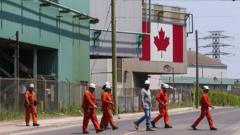
Canada's economy is facing significant headwinds, with inflation remaining stubbornly high and economic growth showing signs of stagnation. As of the latest data, Canada's inflation rate stands at 2.7%, a figure that has persisted for several months, exceeding the Bank of Canada's target of 2%. This persistent inflation has led the Bank of Canada to maintain its key interest rate at 5%, a level that is impacting borrowing costs for consumers and businesses alike. Economic growth, measured by Gross Domestic Product (GDP), has been sluggish, with a projected growth rate of only 1.1% for the current year, according to the International Monetary Fund (IMF). This contrasts with the average growth rate of 1.5% seen among other advanced economies. Household debt in Canada is also a concern, reaching approximately 107% of disposable income, placing it among the highest levels in developed nations. This high debt burden limits consumer spending and increases financial vulnerability. Furthermore, Canada's productivity growth has lagged behind its peers, with output per hour worked growing at a slower pace than in countries like the United States and Australia. This trend, observed over the past decade, poses a long-term challenge to Canada's competitiveness and standard of living. The housing market, while showing some signs of cooling in certain regions, remains a significant factor, with average home prices still elevated and affordability a persistent issue for many Canadians.
Original source — read the full reporting at the publisher:
Read on BBC World NewsGet the weekly AI digest
AI news + new model releases, weekly. Drafted by our agents, reviewed by humans.