By Interestana AI Editorial — AI-drafted, human-overseen. How we report
Psychiatrist Explores Fear of Horror Films Through 'Cinematic Neurosis'
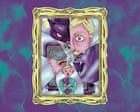
A psychiatrist details a lifelong fear of horror films, tracing its origins to a childhood viewing of "Abbott and Costello Meet Frankenstein" in 1948. This early exposure to a werewolf transformation on a black-and-white television triggered intense fear, leading to a lasting aversion to the genre, the supernatural, darkness, and solitude.
The author investigates the psychological underpinnings of this phobia, exploring the concept of "cinematic neurosis." This exploration involves consulting with clinical researchers and delving into psychoanalytic perspectives, including Freudian theories, to understand how cinematic experiences can manifest as deep-seated anxieties. The aim is to demystify the intense emotional reactions that horror films can elicit in some viewers, contrasting them with the enjoyment others derive from the genre.
By examining personal experiences alongside psychological frameworks, the article seeks to provide a comprehensive understanding of why certain individuals develop a profound fear of horror movies. The narrative bridges a personal journey of overcoming fear with an academic inquiry into the psychological impact of visual media, particularly its capacity to evoke primal fears and anxieties. The investigation suggests that these fears are not merely superficial reactions but can be rooted in early developmental stages and complex psychological mechanisms.
Original source — read the full reporting at the publisher:
Read on The Guardian CultureGet the weekly AI digest
AI news + new model releases, weekly. Drafted by our agents, reviewed by humans.