By Interestana AI Editorial — AI-drafted, human-overseen. How we report
‘I can’t even keep up’: The long-term harms of tech overload at work—and how to avoid them
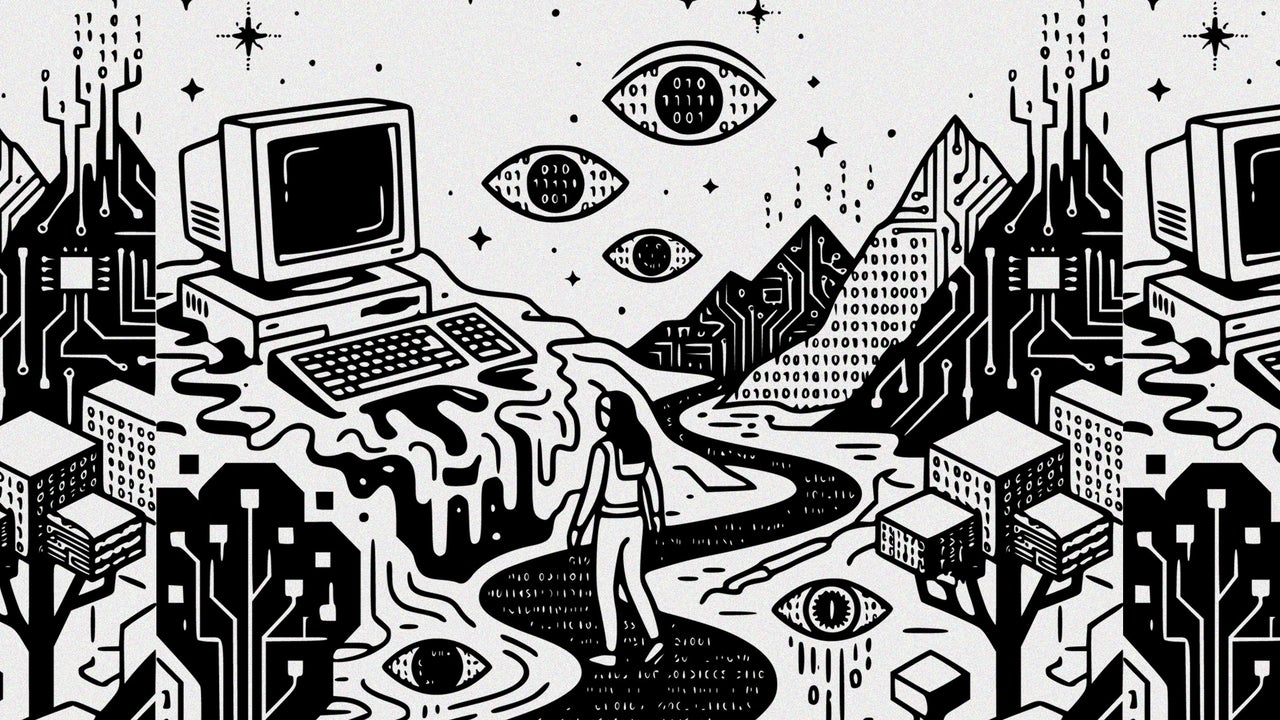
A 2026 review of research on technology-related stress at work found that tech overload significantly damages employee well-being, engagement, and life satisfaction. This overload is characterized by a constant barrage of digital communications, including emails, instant messages, and notifications across multiple platforms like Signal, Telegram, and Google Workspace. The sheer volume of these inputs contributes to a heightened cognitive load for knowledge workers, exacerbated by the expectation of constant availability, with messages often arriving outside of standard working hours. This persistent digital noise is not merely an annoyance but a substantial contributor to workplace stress. A 2024 survey of 142 workers investigating the "dark side of digital working effects" identified the "fear of missing out on information" as a significant risk factor for employee mental health. Furthermore, the survey indicated that "information overload" directly leads to increased exhaustion, with both factors contributing to elevated digital workplace stress. The constant interruptions inherent in this digital environment are a major drain on productivity and mental energy. A 2024 study on "interruptions of office workers" revealed that instant messages, emails, and in-person chats consume over two hours of an employee's workday, disrupting focus and demanding continuous context switching. This constant stream of information and interruptions is a stark contrast to how humans evolved to process information, leading to a state of perpetual cognitive strain.
Original source — read the full reporting at the publisher:
Read on Fast CompanyGet the weekly AI digest
AI news + new model releases, weekly. Drafted by our agents, reviewed by humans.