By Interestana AI Editorial — AI-drafted, human-overseen. How we report
How the world’s voracious appetite for shrimp is destroying Ecuador’s mangroves
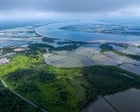
Shrimp farming expansion in Ecuador is leading to the destruction of vital mangrove ecosystems and threatening the livelihoods of local shellfish gatherers. Johana Carolina Cruz Potes, who has gathered shellfish since she was nine in the Jambelí Archipelago, reports that her work has become increasingly difficult due to shrinking gathering grounds and declining catches. This environmental degradation is directly linked to the global demand for shrimp, which drives the conversion of mangrove forests into aquaculture ponds. The unchecked expansion of these farms also contributes to pollution, further impacting the delicate marine environment. The traditional way of life for families in these coastal communities, heavily reliant on shellfish gathering for income, is now at risk as the natural resources they depend on are depleted. The article highlights the direct correlation between the international appetite for shrimp and the ecological damage occurring in Ecuador's coastal regions, emphasizing the urgent need for sustainable practices to protect both the environment and the communities that depend on it.
Original source — read the full reporting at the publisher:
Read on The Guardian EnvironmentGet the weekly AI digest
AI news + new model releases, weekly. Drafted by our agents, reviewed by humans.