By Interestana AI Editorial — AI-drafted, human-overseen. How we report
How Alan Greenspan moved markets with just one phrase
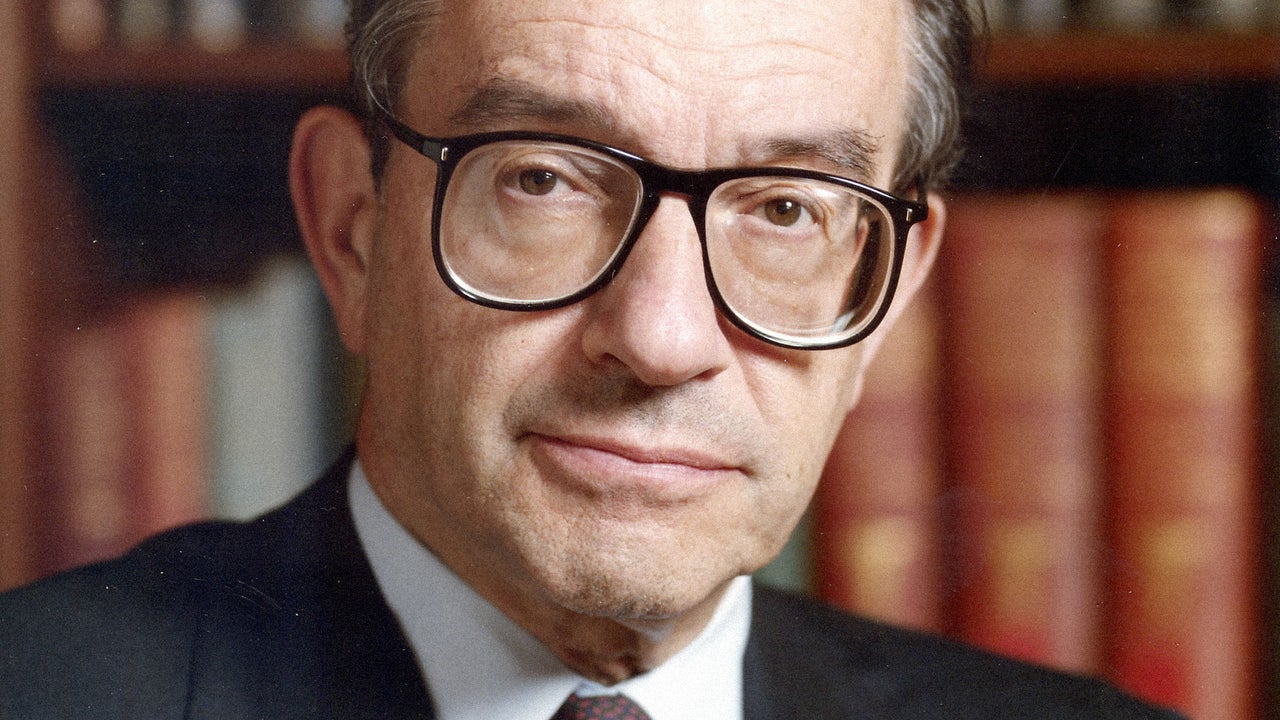
Alan Greenspan, former Federal Reserve Chair, died on Monday at age 100 due to complications from Parkinson's disease. His death was announced by his wife, NBC News correspondent Andrea Mitchell. Greenspan, a significant figure in U.S. economic policy for nearly two decades, was first nominated to lead the Federal Reserve by President Ronald Reagan in August 1987 and served until 2006, being reappointed by subsequent presidents. During his tenure, he guided the U.S. economy through several major events, including the 1987 stock market crash, the 1997 Asian financial crisis, the dot-com bubble, and the aftermath of the 9/11 terrorist attacks. He is often credited with overseeing the longest economic expansion in U.S. history. Greenspan was also known for his impactful, though often deliberately ambiguous, communication style, dubbed "Greenspeak," which aimed to prevent drastic market reactions. He famously coined the phrase "irrational exuberance" to warn about potential stock market overvaluation during the dot-com era. Greenspan earned his bachelor's, master's, and doctoral degrees in economics from New York University.
Original source — read the full reporting at the publisher:
Read on Fast CompanyGet the weekly AI digest
AI news + new model releases, weekly. Drafted by our agents, reviewed by humans.