By Interestana AI Editorial — AI-drafted, human-overseen. How we report
Hormuz Traffic Drops Amid Ship Attack Concerns
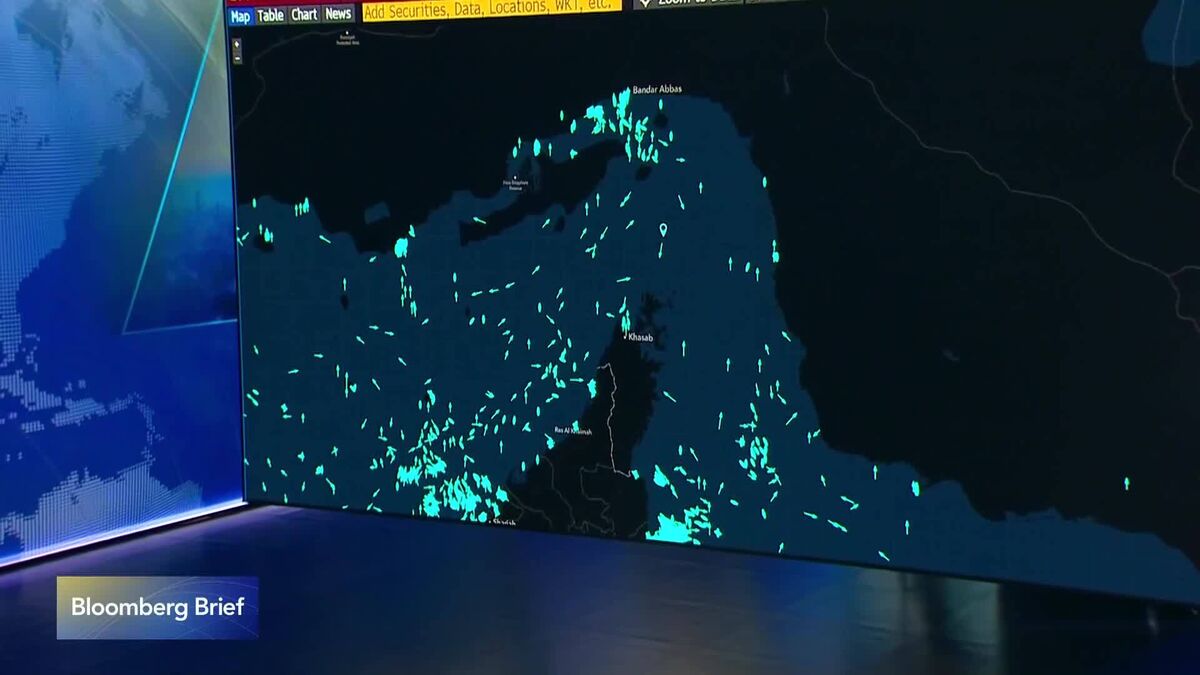
Commercial traffic through the Strait of Hormuz experienced a reduced level of activity this past weekend, with a limited number of vessels undertaking open transits. While traffic volumes remained higher than during most of the US-Iran war period, recent attacks on two ships have amplified concerns regarding the capacity and inclination of shipowners to navigate this critical waterway. The situation was reported by Alaric Nightingale on Bloomberg Television, highlighting the growing unease within the shipping industry.
The attacks, which targeted two distinct vessels, have prompted a reevaluation of risk assessments by shipping companies. The increased threat perception in the Strait of Hormuz, a vital chokepoint for global oil and gas shipments, could lead to further disruptions in supply chains and potentially impact energy prices. Shipowners are now facing increased pressure to implement enhanced security measures and potentially reroute vessels, incurring additional costs and transit times.
This decline in traffic underscores the delicate geopolitical balance in the region and its direct impact on international trade. The Strait of Hormuz is a critical artery, through which approximately 20% of global oil consumption passes. Any significant disruption here can have far-reaching economic consequences, affecting not only the immediate parties involved but also global energy markets and consumer prices. The willingness of shipowners to continue transiting the strait will depend heavily on the perceived effectiveness of security measures and the broader geopolitical stability in the Persian Gulf.
Original source — read the full reporting at the publisher:
Read on Bloomberg MarketsGet the weekly AI digest
AI news + new model releases, weekly. Drafted by our agents, reviewed by humans.