By Interestana AI Editorial — AI-drafted, human-overseen. How we report
Fed's Hawkish Stance Challenges Emerging Market Bonds
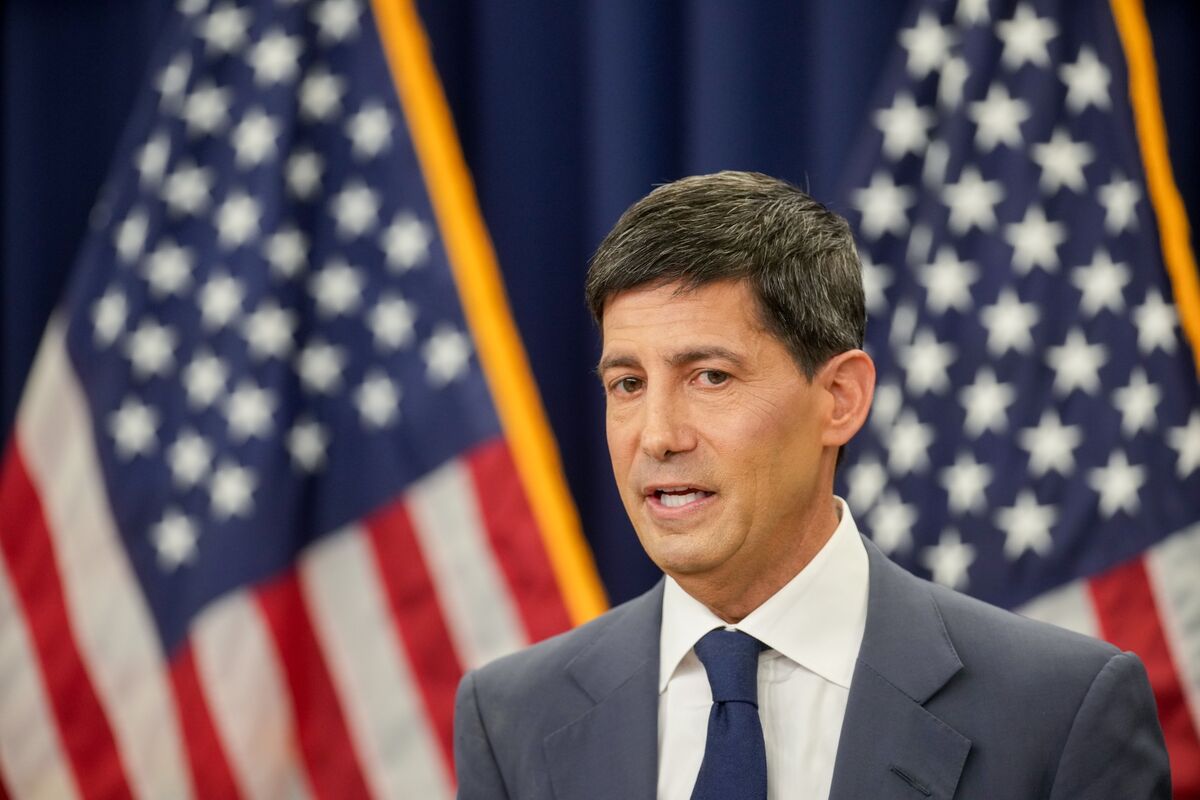
Federal Reserve Chairman Kevin Warsh delivered hawkish remarks this week, directly challenging the anticipated rally in emerging-market bonds. This intervention occurred just as falling energy prices were poised to provide a favorable tailwind for these assets. The Federal Reserve's stance signals a potential continuation of tighter monetary policy, which typically increases borrowing costs and reduces investor appetite for riskier emerging-market debt.
The shift in sentiment comes after a period where emerging markets had begun to see some relief. Analysts had predicted that lower energy costs would ease inflationary pressures in many developing economies, potentially allowing for more accommodative monetary policies or at least a pause in aggressive tightening. This would have made their bonds more attractive to international investors seeking higher yields compared to developed markets.
However, Warsh's commentary, interpreted as a signal of sustained hawkishness from the Fed, suggests that interest rate hikes or prolonged high rates are still on the table. This creates a more challenging environment for emerging-market issuers and investors alike. Higher interest rates in the US make dollar-denominated debt more expensive to service for countries and companies that borrow in dollars, and they also draw capital away from emerging markets towards safer, higher-yielding US assets.
The immediate impact of these remarks has been a reassessment of risk premiums in emerging markets. Investors are now factoring in a higher probability of continued monetary tightening by the US central bank, which could dampen demand for emerging-market bonds and potentially lead to increased volatility. The rally that was beginning to take shape is now facing significant headwinds, forcing a more cautious approach from market participants.
Original source — read the full reporting at the publisher:
Read on Bloomberg MarketsGet the weekly AI digest
AI news + new model releases, weekly. Drafted by our agents, reviewed by humans.