By Interestana AI Editorial — AI-drafted, human-overseen. How we report
Goldman Sees Rupee Weakness Capped After Steps to Boost Inflows
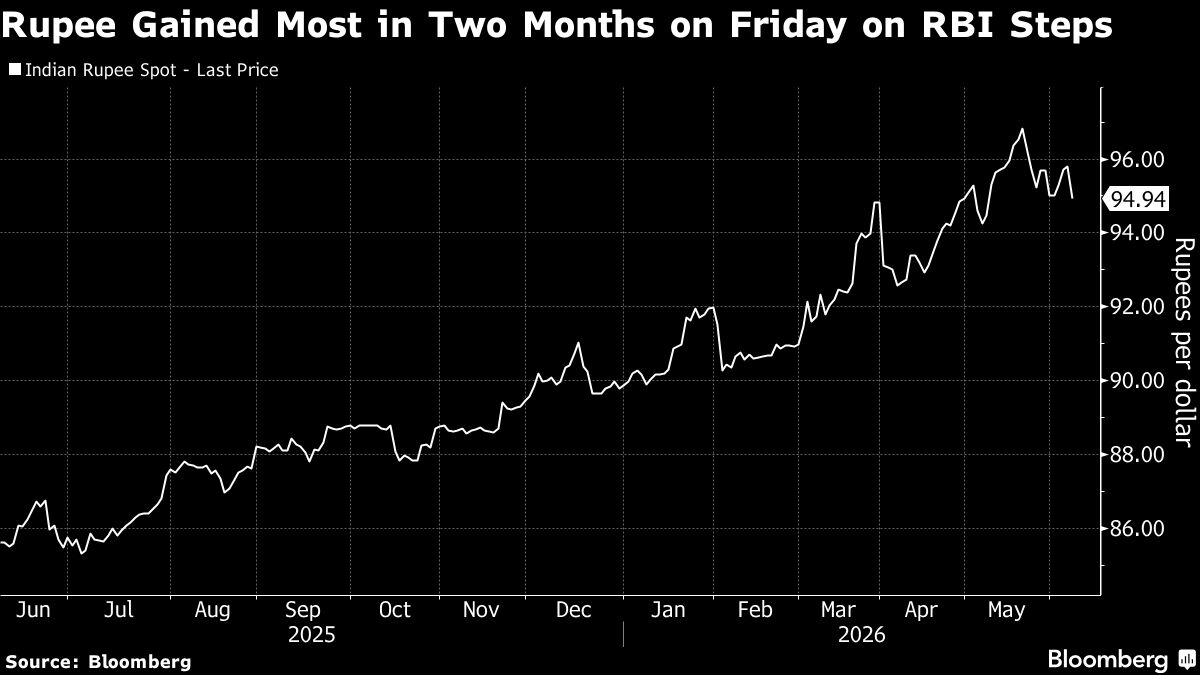
Goldman Sachs Group Inc. announced on October 26, 2023, that the Indian rupee's depreciation is likely nearing a limit following the implementation of new measures designed to increase foreign capital inflows. The investment bank's strategists, including Danny Suwanpradit, indicated that these steps, aimed at attracting more foreign currency into India, could provide a stabilizing effect on the rupee. This assessment comes amid ongoing concerns about the rupee's performance against the US dollar, which has seen a significant decline in recent months, impacting India's import costs and overall economic stability.
The Indian government and the Reserve Bank of India (RBI) have been actively seeking to curb the rupee's fall. The recent measures, details of which were not fully elaborated in the initial announcement but are understood to involve incentives for foreign investors and potentially easing certain regulations, are intended to make investing in India more attractive. Historically, a weaker rupee can lead to imported inflation, making essential goods more expensive and potentially dampening consumer spending. Conversely, it can boost exports by making Indian goods cheaper for foreign buyers, though the net effect on the economy is often debated.
Goldman Sachs' outlook suggests that the current policy interventions may be sufficient to create a floor for the rupee, preventing further significant declines. This would be a welcome development for policymakers and businesses alike, providing a degree of predictability in the foreign exchange market. The bank's analysis will be closely watched by investors and financial institutions operating in India, as it provides an external perspective on the effectiveness of the government's economic strategies. The effectiveness of these measures will ultimately depend on their sustained implementation and the broader global economic environment, including interest rate policies in major economies and geopolitical stability.
While the immediate outlook for the rupee may be more stable according to Goldman Sachs, the long-term trajectory will still be influenced by India's economic growth prospects, inflation rates, and the country's fiscal and current account balances. The success of these inflow-boosting measures could also have ripple effects on other emerging market currencies, as investors re-evaluate risk appetite and seek out stable investment opportunities.
Original source — read the full reporting at the publisher:
Read on Bloomberg MarketsGet the weekly AI digest
AI news + new model releases, weekly. Drafted by our agents, reviewed by humans.