By Interestana AI Editorial — AI-drafted, human-overseen. How we report
Friendship or leverage: Why is Xi Jinping in North Korea?
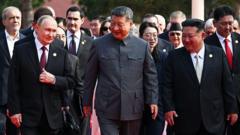
Chinese President Xi Jinping visited North Korea on June 18-19, 2024, marking the first visit by a Chinese head of state to Pyongyang in 14 years. This high-profile summit, occurring amidst escalating geopolitical tensions and North Korea's continued pursuit of nuclear weapons, signals Beijing's intent to reassert its influence over a strategically crucial, albeit unpredictable, ally. The visit underscores China's desire to stabilize the Korean Peninsula and prevent further escalation that could draw Beijing into direct conflict or destabilize its border region.
Analysts suggest Xi's visit aims to leverage China's economic lifeline to North Korea to curb Pyongyang's provocative actions, particularly its missile tests and rhetoric directed at South Korea and the United States. China, while officially advocating for denuclearization, has been North Korea's primary economic and diplomatic backer, providing essential resources and shielding it from harsher international sanctions. This visit represents an attempt to recalibrate this relationship, seeking to temper North Korea's isolationist tendencies and its reliance on external provocations for international attention and leverage. Beijing is likely seeking assurances that North Korea will not engage in actions that could trigger a severe regional crisis, which would inevitably involve China.
The timing of the visit is also significant, occurring as global powers grapple with multiple crises. China may be seeking to present itself as a responsible stakeholder in regional security, offering a diplomatic channel to de-escalate tensions on the Korean Peninsula. However, the visit also highlights the inherent challenges in managing North Korea, a state known for its defiance of international norms and its strategic autonomy. While China desires stability, its ability to unilaterally control Pyongyang's actions remains limited, especially given North Korea's nuclear arsenal. The summit likely involved discussions on economic cooperation, border security, and potentially a subtle reassertion of China's traditional role as the primary mediator in Korean Peninsula affairs, though the effectiveness of this leverage remains to be seen.
Original source — read the full reporting at the publisher:
Read on BBC World NewsGet the weekly AI digest
AI news + new model releases, weekly. Drafted by our agents, reviewed by humans.