By Interestana AI Editorial — AI-drafted, human-overseen. How we report
Freedivers, leftover cables and bits of clay: Cuba gets inventive to save its pristine reefs amid US blockade
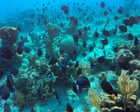
Conservationists in Cuba's Ciénaga de Zapata National Park are employing innovative, resource-limited methods to protect coral reefs amidst tightening U.S. sanctions and an ongoing power crisis. These efforts involve daily cleanups where divers collect plastic and cans, utilizing an electric trailer for transport due to the country's severe economic paralysis. While invasive species, lack of environmental awareness, and the climate crisis have long posed threats to the island's marine ecosystem, the current economic scarcity exacerbates the challenge for scientists and community conservationists. These conservationists are forced to be inventive, using salvaged materials and techniques to restore and protect the vital Caribbean ecosystem. For instance, they are experimenting with 3D-printed coral structures made from local clay and repurposed materials like leftover cables to create artificial reefs, aiming to provide habitats for marine life. These initiatives are crucial for the health of the wider Caribbean region and global marine biodiversity. The park, recognized by UNESCO, faces significant hurdles due to the U.S. blockade, which restricts access to essential equipment and funding for conservation projects. Despite these challenges, the dedication of local scientists and volunteers highlights a commitment to preserving one of Cuba's most ecologically significant areas.
Original source — read the full reporting at the publisher:
Read on The Guardian EnvironmentGet the weekly AI digest
AI news + new model releases, weekly. Drafted by our agents, reviewed by humans.