By Interestana AI Editorial — AI-drafted, human-overseen. How we report
EVs can power the grid. Why aren’t more of them doing it?
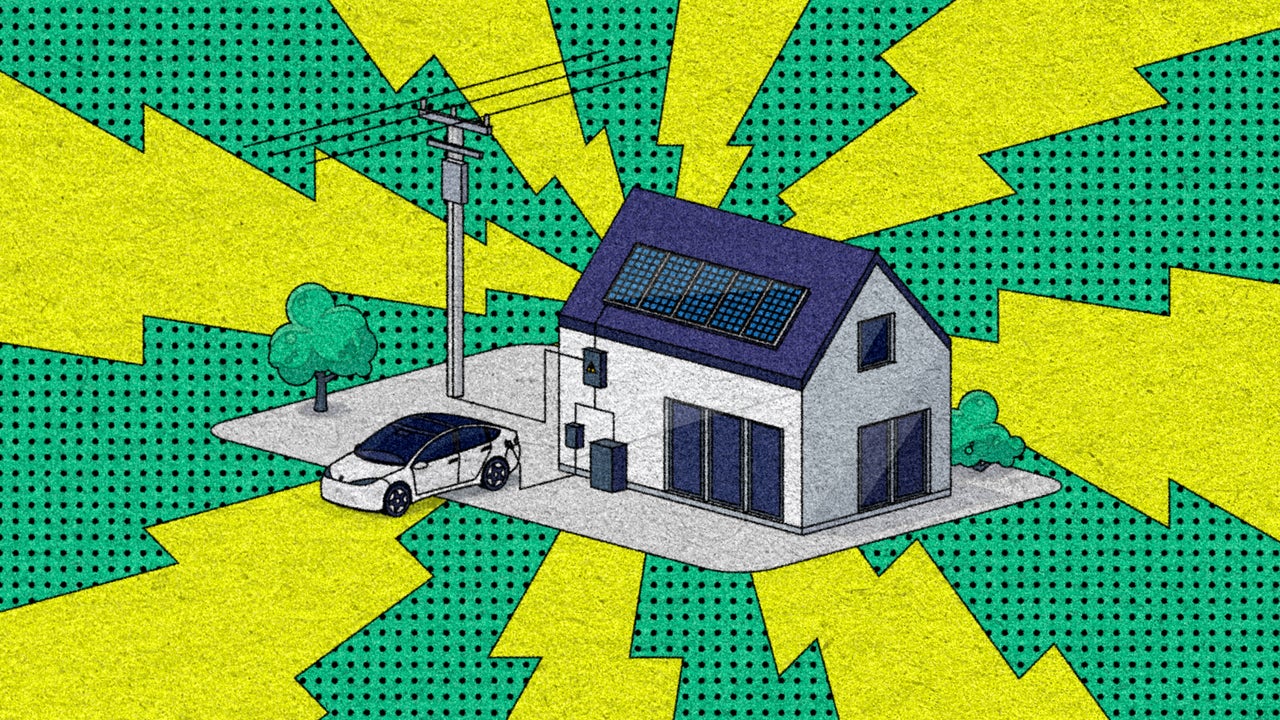
Electric vehicles (EVs) in California and Massachusetts are beginning to send power back to the grid, acting as mobile batteries to alleviate strain during peak demand and earning revenue for their owners. A pilot program in Massachusetts projects owners could earn up to $3,000 this summer by participating in this vehicle-to-grid (V2G) system. While the technology has been feasible for years, widespread adoption faces significant hurdles, primarily the high cost of bidirectional charging hardware. General Motors (GM) has 12 models capable of sending power directly to homes, with a recent software update enabling grid interaction. Approximately 250,000 of these GM vehicles are currently in use, representing an estimated gigawatt of power, sufficient to power San Francisco for two days. The primary obstacle to V2G implementation is the substantial cost of bidirectional chargers, which can exceed $20,000, including installation fees that may reach $16,000 due to necessary electrical panel upgrades. While government funding in the Massachusetts pilot covers equipment costs, the expense remains a major deterrent for individual consumers who might otherwise invest in such technology for backup power. The economic viability of purchasing a bidirectional charger solely for grid support is currently questionable for many drivers.
Original source — read the full reporting at the publisher:
Read on Fast CompanyGet the weekly AI digest
AI news + new model releases, weekly. Drafted by our agents, reviewed by humans.