EU Steel Quotas To Preserve 200,000 Jobs, Says Eurofer
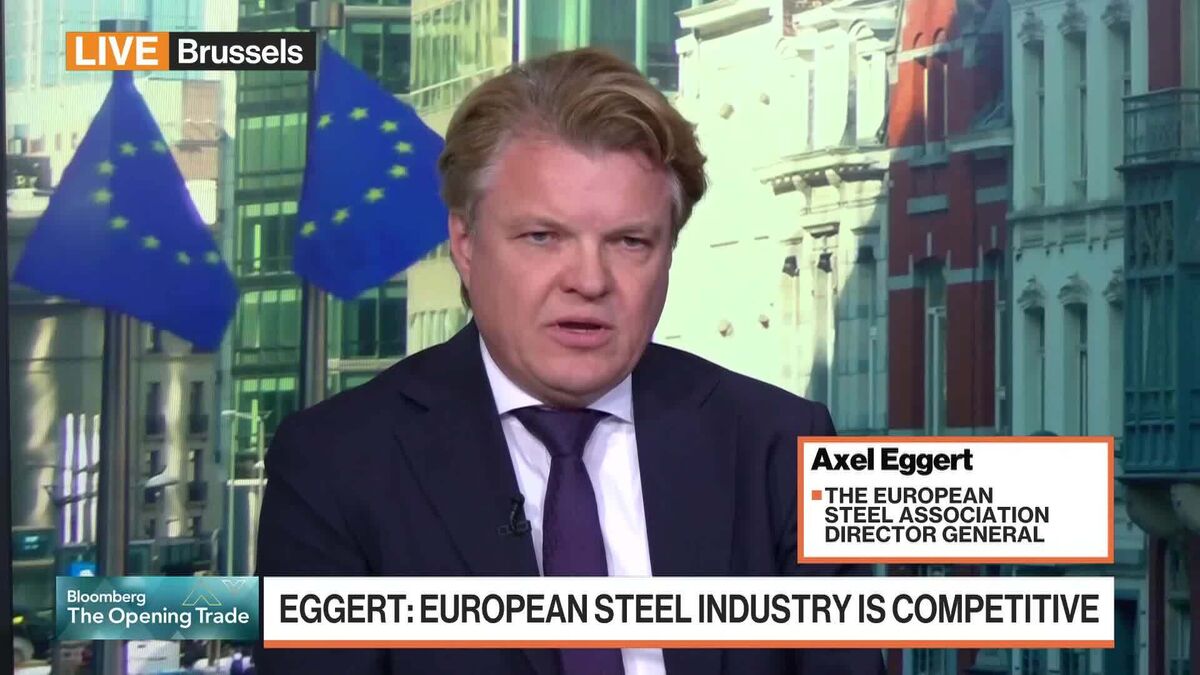
The European Union's recently implemented stricter steel import quotas are projected to preserve approximately 200,000 local jobs, according to Axel Eggert, Director-General of the European steel association Eurofer. Eggert communicated this assessment to BTV on Wednesday, highlighting the critical support these measures offer to the domestic steel industry. The sector has been facing significant challenges, including elevated energy costs and intense global competition, which have put considerable pressure on European steel producers.
The new import rules aim to create a more level playing field for EU-based manufacturers by regulating the volume of steel that can enter the bloc. This is intended to prevent a surge in imports that could undercut local production and lead to job losses. Eurofer has been a vocal advocate for such protective measures, arguing that they are essential for the long-term viability and competitiveness of the European steel industry. The association has consistently pointed to the disparity in energy prices and regulatory burdens between the EU and other major steel-producing regions as a key factor contributing to the industry's struggles.
Eggert's statement underscores the perceived positive impact of these trade policies on employment within the sector. The figure of 200,000 jobs represents a substantial portion of the workforce employed in steel manufacturing and related industries across the European Union. The EU's decision to tighten import quotas reflects a broader trend of industrial policy aimed at bolstering domestic production and safeguarding strategic sectors against foreign competition, particularly in the face of global economic uncertainties and geopolitical shifts. The effectiveness and long-term consequences of these measures will likely be closely monitored by industry stakeholders and policymakers alike.
Original source — read the full reporting at the publisher:
Read on Bloomberg Markets