By Interestana AI Editorial — AI-drafted, human-overseen. How we report
Elusive gull drifts thousands of kilometres off course to Australia, turning birdwatching into ‘extreme sport’
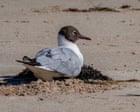
A black-headed gull, typically found migrating between Europe and Asia, has been sighted in Geraldton, Western Australia, marking a significant deviation of thousands of kilometers from its usual migratory path. This rare occurrence has drawn considerable attention from birdwatchers, often referred to as "twitchers," who have traveled to the coastal city in hopes of spotting the elusive bird. The unexpected arrival of the black-headed gull has transformed birdwatching in the region into what some describe as an "extreme sport" due to the bird's unusual location and the effort required to observe it.
The black-headed gull (Chroicocephalus ridibundus) is a common species across much of the Northern Hemisphere, undertaking extensive migrations. Its appearance in Australia is highly anomalous and suggests a major navigational error or an extreme weather event may have displaced the individual bird. Ornithologists and bird enthusiasts are keen to document this sighting, as it provides a unique opportunity to study avian migration patterns and the potential impacts of environmental factors on bird behavior. The presence of such a far-traveled species also raises questions about the resilience and adaptability of migratory birds in the face of changing global climate and weather systems.
Birdwatching communities in Australia are actively sharing information and coordinating efforts to locate and observe the gull, highlighting the dedication and passion within the hobby. The event underscores the vastness of avian migratory routes and the occasional, dramatic deviations that can occur. While the exact reasons for the gull's displacement remain speculative, its presence in Western Australia serves as a compelling reminder of the interconnectedness of global ecosystems and the remarkable journeys undertaken by wildlife.
Original source — read the full reporting at the publisher:
Read on The Guardian EnvironmentGet the weekly AI digest
AI news + new model releases, weekly. Drafted by our agents, reviewed by humans.