By Interestana AI Editorial — AI-drafted, human-overseen. How we report
ECB's Rehn: Middle East Conflict Fuels Stagflationary Pressures
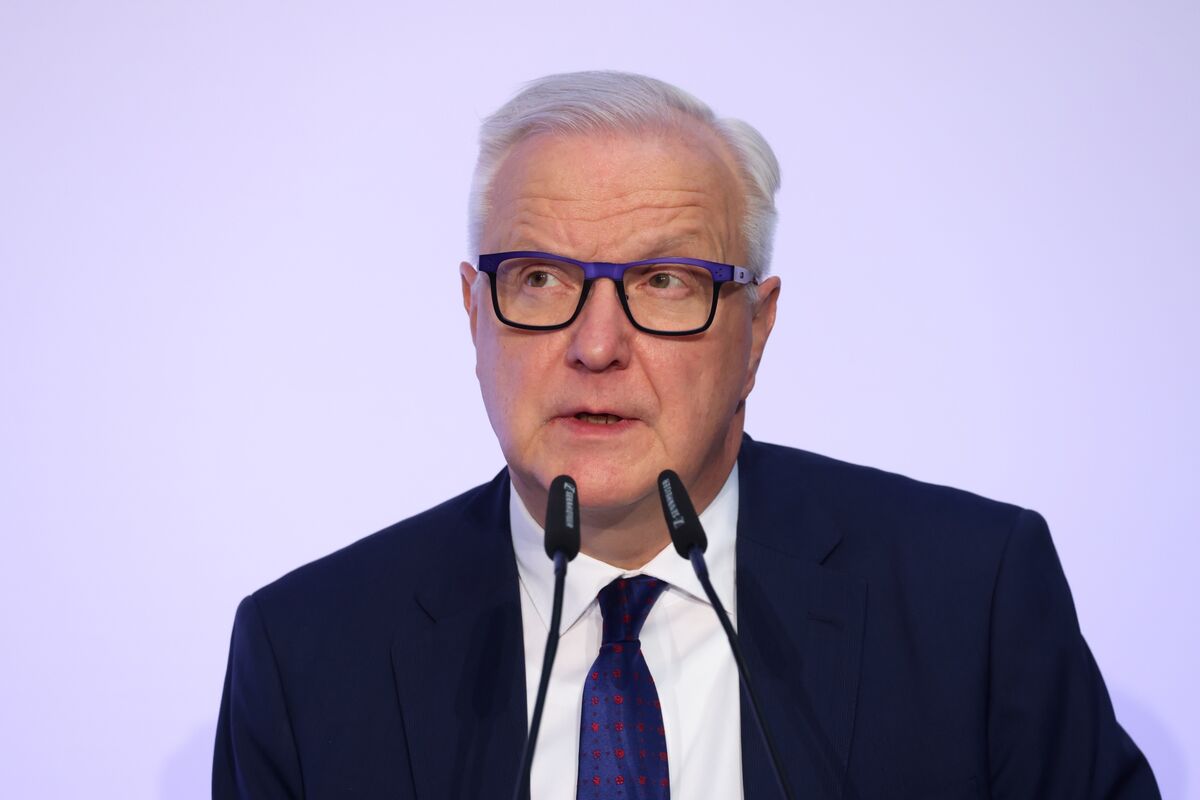
European Central Bank Governing Council member Olli Rehn stated this week that the ongoing conflict in the Middle East is contributing to stagflationary effects within the Eurozone. Rehn indicated that the geopolitical tensions are simultaneously driving up inflation and dampening economic expansion. This dual impact, where prices rise while economic output stagnates or declines, is characteristic of stagflation.
Rehn's remarks highlight concerns that the energy shock stemming from the conflict is a primary driver of these inflationary pressures. Rising energy costs typically ripple through the economy, increasing the price of goods and services across various sectors. Simultaneously, the uncertainty and potential disruptions associated with the conflict can lead businesses to scale back investment and hiring, thereby slowing economic growth.
The ECB has been closely monitoring inflation trends and their impact on the broader economy. The central bank's mandate includes maintaining price stability, and persistent inflation poses a significant challenge to this goal. The combination of rising prices and slowing growth complicates monetary policy decisions, as traditional tools to combat inflation might further exacerbate economic weakness.
While Rehn did not specify precise economic forecasts, his assessment points to a challenging economic environment. The ECB's policy responses will likely need to balance the need to control inflation with the imperative to support sustainable economic activity. The duration and intensity of the Middle East conflict will be a key factor in determining the severity and longevity of these stagflationary pressures.
Original source — read the full reporting at the publisher:
Read on Bloomberg MarketsGet the weekly AI digest
AI news + new model releases, weekly. Drafted by our agents, reviewed by humans.