By Interestana AI Editorial — AI-drafted, human-overseen. How we report
Does the War on ‘Ultra-Processed Foods’ Make Any Sense?
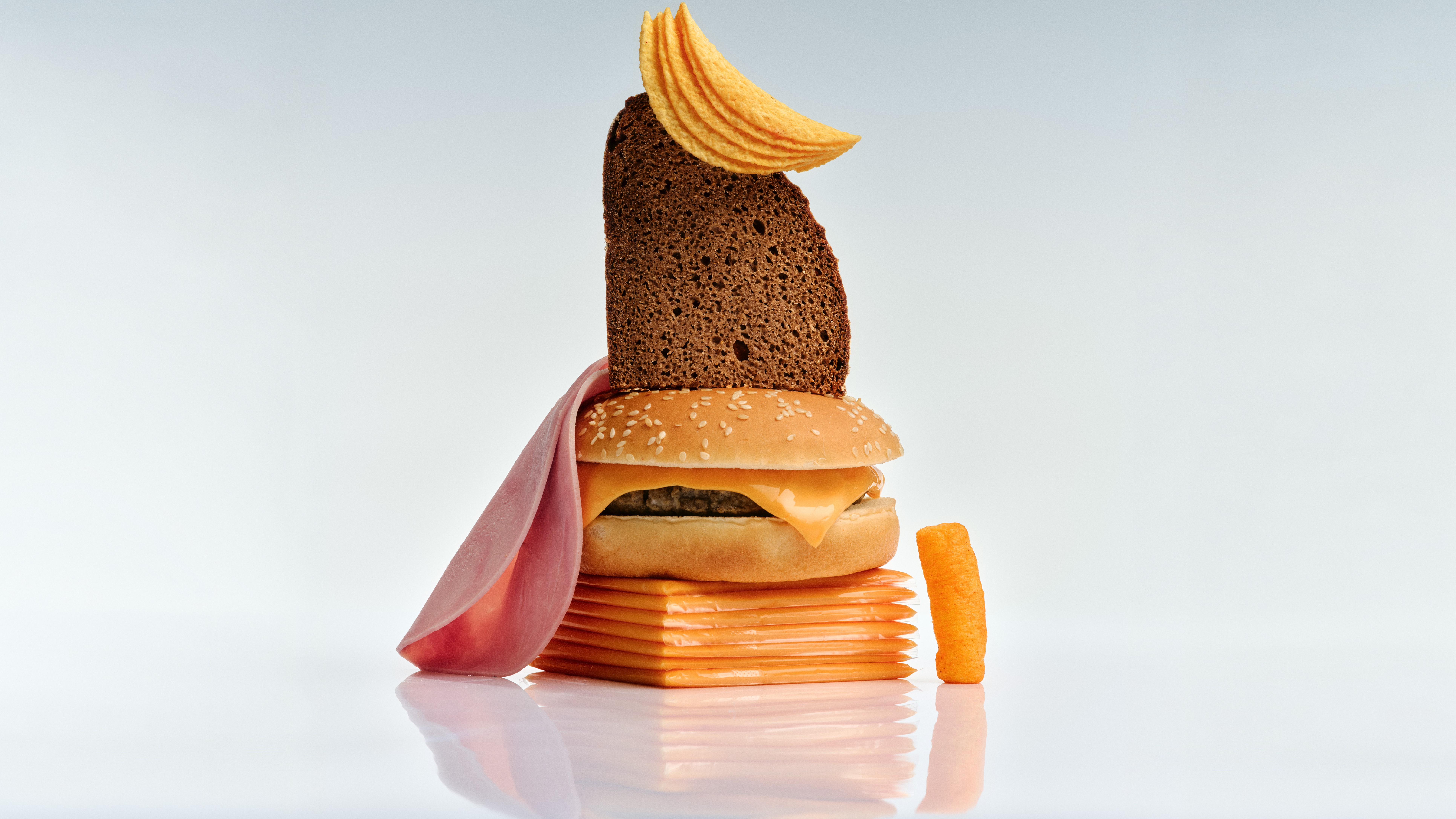
The concept of "ultra-processed foods" as the primary dietary villain is a narrative that has gained significant traction, particularly in recent years. This classification, often based on industrial processing and ingredient lists, has been promoted by various health organizations and researchers. For instance, a study published in The BMJ in February 2023 linked higher consumption of ultra-processed foods to an increased risk of cardiovascular disease, with researchers suggesting a 5% increase in intake could raise the risk by 10%. These foods, characterized by ingredients not typically found in home kitchens like hydrogenated oils or high-fructose corn syrup, are also frequently associated with higher rates of obesity and type 2 diabetes. However, critics argue that the broad categorization overlooks the nutritional quality of individual foods within the "ultra-processed" label and the context of a person's overall diet. They point out that some fortified cereals or plant-based meat alternatives, while processed, can offer valuable nutrients. The debate centers on whether focusing solely on the degree of processing is a more effective public health strategy than emphasizing balanced diets rich in whole foods, regardless of their processing level. The World Health Organization (WHO) has also acknowledged the growing body of evidence linking ultra-processed foods to adverse health outcomes, but the precise definition and its application remain subjects of ongoing scientific discussion and public health policy.
Original source — read the full reporting at the publisher:
Read on The AtlanticGet the weekly AI digest
AI news + new model releases, weekly. Drafted by our agents, reviewed by humans.