By Interestana AI Editorial — AI-drafted, human-overseen. How we report
Marcel Duchamp's Legacy Debated in Art Circles
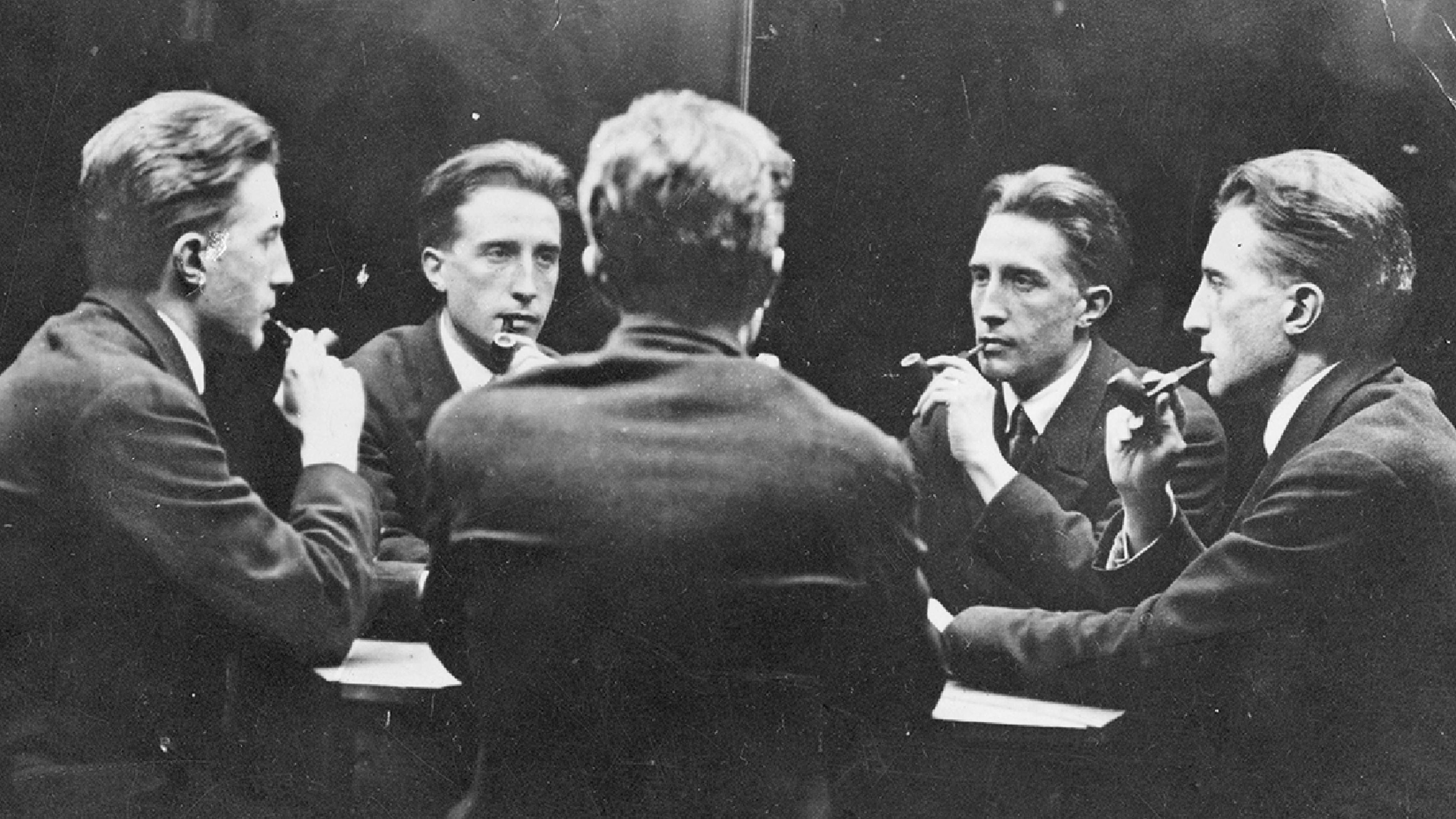
The enduring legacy of Marcel Duchamp continues to be a subject of intense debate within art criticism and historical analysis. Many contemporary critics argue that Duchamp's radical redefinition of what constitutes art, particularly through his "readymades" like "Fountain" (1917), fundamentally altered the art world's trajectory. This shift moved the focus from technical skill and aesthetic beauty to conceptual intent and the artist's selection process.
This re-evaluation often posits that Duchamp's innovations, while groundbreaking, also paved the way for art that some viewers find inaccessible or lacking in traditional artistic merit. The emphasis on concept over craft, critics contend, has led to a proliferation of works that rely heavily on theoretical justification rather than immediate visual or emotional impact. This perspective suggests that the art world's subsequent embrace of conceptual art, performance art, and installation art can be directly linked to Duchamp's early challenges to artistic norms.
However, other scholars and art historians defend Duchamp's contributions, highlighting his role in liberating art from rigid academic constraints. They argue that his work encouraged artists to think more critically about the context, meaning, and social function of art. Duchamp's influence is seen not as a "ruin" but as a necessary evolution that expanded the possibilities of artistic expression and fostered a more intellectually engaged art discourse. The debate underscores the ongoing tension between tradition and innovation in the art world.
Original source — read the full reporting at the publisher:
Read on The AtlanticGet the weekly AI digest
AI news + new model releases, weekly. Drafted by our agents, reviewed by humans.